Proposal
For my project, I want to travel to Israel and explore how Capitalism and Consumerism has affected the traditional idea of Christian pilgrimage. Pilgrimage can be defined as any journey to a holy or sacred place, that a religious person takes in order to express their devotion. Request.org, a Christian website, goes into more detail about why a Christian may carry out a pilgrimage:
“When Christians go on pilgrimage they travel somewhere that is special to their faith. It might be to places written about in the Bible, such as where Jesus and the early Christians lived. It may be a place where a miracle once happened or a saint is buried. Often the journey itself matters as much as being at the special place, because it gives the ‘pilgrim’ – the person on the journey – time to pray and think.
Pilgrimage is an important part of spiritual life for many Christians. By taking the time to go on pilgrimage, people can leave behind everyday concerns from back home and spend time in the presence of God as they travel to a place with special meaning. People have always gone on pilgrimage for many reasons – perhaps to say sorry to God for something they had done wrong (penance), or because they were ill and wanted God to heal them. They might be looking for an answer to a problem or difficulty, or they might be looking for peace or healing. Over the years, places have become special for different reasons, and Christians decide to visit them to become closer to God in these special places.”
There are many places in Israel that are spiritual for Christians, as there are for Jews and Muslims too. However, I am focusing on Christian pilgrimage because it is the religion I have the most knowledge of and experience with. Jesus himself embarked on pilgrimages regularly, on Passover for example, a Jewish holiday. This trip would have been taken on horseback and on foot. My grandparents visited Jerusalem on a type of pilgrimage about forty years ago, but they wouldn’t have called it such, they would have called it a holiday. I want to look at where holidays meet pilgrimages these days, and how consumerism gets in the way of, or aids, people getting closer to God. I am imagining that local people and businesses are taking full advantage of tourists/pilgrims, and I am wondering how many people travelling to sacred places are doing so so that they can get closer to god, or whether it is just so they can buy the souvenir and post pictures to Instagram.
I hope to go to Israel for about a month in April 2019, as Easter is 21st April. This is one of the most sacred times for Christians as it is supposedly when Jesus gave his life for their sins, and so is a popular time to go to the site of where he died and rose again. I plan on going for a small trip of about 5 days this year, so that I can get to know the place and talk to people and make some contacts.
History of Pilgrimage
The earliest Christian pilgrims wished to see the places where Jesus and the apostles had lived on earth. This meant journeying to the Holy Land, a relatively easy feat in the fourth century, when the Roman Empire still unified the Mediterranean world. Major theologians of the period, including saints Jerome and Augustine, endorsed spiritual travel as a retreat from worldly concerns. In this sense, they equated pilgrimage with the monastic way of life, which pilgrims sometimes embraced after completing their journeys. The best-documented early travelers to the Holy Land worked to achieve individual spiritual enrichment by reading and living the Bible on location.
Part of the reason why I am interested in this subject is because of the research I have been carrying out for my dissertation. One of the reasons that Christianity had such a hold over the population of Europe in the late middle ages was the threat that one wouldn’t get into heaven without winning indulgences from the Church. According to the Metropolitan Museum of Art (https://www.metmuseum.org/toah/hd/berr/hd_berr.htm):
In the later Middle Ages, pilgrims often travelled in order to win indulgences, that is, the Church’s promise to intercede with God for the remission of the temporal punishment for sins confessed and forgiven, a prayer that will be heard because of the holiness of the Church. Pope Boniface VIII declared 1300 a jubilee year, when pilgrims to Rome might gain a plenary indulgence, that is, a guarantee of the Church’s prayer for dispensation from the temporal punishment due to sins forgiven over a whole lifetime. To purists and reformers, such attractions seemed less laudable than the heartfelt goals of earlier pilgrims, and preaching friars like the Franciscans and Dominicans urged a return to devotional exercises like those that Paula had practiced: whether in a place sanctified by a sacred event—and the preaching orders came to control the holy places at Bethlehem and Jerusalem—or in the quiet of one’s own home, the individual was exhorted to imagine sacred events as though witnessing them in real life, in the most vivid manner possible. The increase of humanity and naturalism in religious art of this time may be linked to this type of spiritual exercise.


The first image is of Russian pilgrims in the late 19th century compared with modern day modes of pilgrimage. For me, the first image is how I imagine pilgrimage to be in the traditional sense.
Updated Proposal
After further research and consideration, I am going to go on this trip a few weeks before Easter because it is a lot more expensive to go at this peak time, and I found out that it will be almost unmanageably busy. I want it to be busy so that there are more opportunities for photographs, but not so busy that all I can photograph is crowds. It appears that the most cost effective and efficient way to carry out this project would be to do only one visit but going on a guided tour. This is a little more expensive than what it would cost to hire a car, but it will be a lot more fast-paced and thorough. It is an 8-day tour, and is specifically geared towards Catholic pilgrims, and so it makes visits at all the major biblical holy sites, but also some lesser known ones, too. The tour guide is government-licensed and so this will eliminate any concerns that me and my father would have had about following local laws and customs. It also gives me the opportunity to learn in detail about the historical and biblical places we visit. These destinations are as follows:
Masada is an optional excursion which I will take because it has historical relevance. It was the fortress of King Herod who was king in Jesus’ time. Although I am not a religious person and I don’t believe in the spiritual or ‘god’ side of religion, I do believe that Jesus was a real person and there are historical documents that suggest so. This is the detailed itinerary and the reasons why we will be visiting the destinations above:
Day 1 ARRIVE IN TEL AVIV, ISRAEL Welcome to Israel! Check into your hotel and enjoy the rest of the day at leisure. This evening, meet your Tour Director and fellow travelers.
Day 2 TEL AVIV–JAFFA–CAESAREA–MEGIDDONAZARETH Enjoy a full day exploring some of the Holy Land’s ancient biblical and modern sights. Begin by driving to the old port of JAFFA, an atmospheric town, where Jonah set sail before he was swallowed by the whale. Continue to CAESAREA, an ancient port turned incredible ARCHAEOLOGICAL ZONE. Built by Herod the Great in the 1st century BC, the city was one of the most splendid in ancient Palestine and its capital for more than 600 years. Admire what remains of Herod’s grandiose building works, including the restored 3,500seat Roman theater, the aqueduct, harbor, and the crumbled moat and towers from the 12thcentury CRUSADER FORTRESS. From here, travel to the archaeological site of MEGIDDO, an ageold FORTIFIED TOWN with 25 layers of archaeological findings and one of the world’s most important biblical sites. According to the New Testament, this is where the Battle of Armageddon will take place, the final struggle between good and evil, which will prompt the return of Jesus to defeat the Antichrist and cast Satan into the abyss. Continue to Nazareth to visit the CHURCH OF THE ANNUNCIATION, where the Archangel Gabriel told Mary she would conceive and give birth to Jesus, the Son of God. This evening you may have an opportunity to join a candlelight procession starting from the Church of the Annunciation square.
Day 3 NAZARETH. EXCURSION TO BET SHE’AN Attend one of the early morning Mass services if you wish, then join today’s included excursion. Bet She’an is one of the best preserved archaeological sites of this region and well worth some time to wander around. Ongoing excavations at this UNESCO World Heritage site revealed timeworn colonnadestyle streets, bathhouses, and a theater with perfect acoustics.
Day 4 NAZARETH. EXCURSION TO MAGDALASEA OF GALILEETABGHACAPERNAUMMOUNT OF BEATITUDESCANA Today, celebrate Mass in Magdala, home to Mary of Magdalene, then skirt the Sea of Galilee, and enjoy its scenic beauty. Continue to Tabgha and visit the church commemorating the miracle of Jesus feeding 5,000 people with two fish and five loaves. On to CAPERNAUM, home to the Apostles Peter, Andrew, James, John, and Matthew, and to Jesus himself. Here, you’ll see its ANCIENT SYNAGOGUE and the HOUSE OF ST. PETER. Spend some time in the gardens of the MOUNT OF BEATITUDES, where Jesus delivered his famous sermon, and meditate its significance. On the way back to Nazareth, stop in CANA, site of the wedding miracle.
Day 5 NAZARETH–BETHLEHEM–JERUSALEM Enjoy a spectacular drive through the Jordan Valley. Stop at the QASR EL YAHUD baptismal site where, according to tradition, Jesus was baptized by St. John the Baptist. Continue to Bethlehem, birthplace of Jesus and King David. Visit one of Christianity’s holiest places, the CHURCH OF THE NATIVITY, built over the cave thought to be the spot where Jesus was born. Here, you will have time to pray and attend Mass, if you like. Reach the holy city of Jerusalem in the late afternoon.
Day 6 JERUSALEM An intense day of reflection awaits as you set off on a walking tour of Jerusalem’s Old Town. From the MOUNT OF OLIVES, take in memorable views over the city’s domes, walls, and rooftops before strolling in the GARDEN OF GETHSEMANE, where Jesus prayed on the night before his arrest. Your guide will then lead you into the JEWISH QUARTER, pointing out the WESTERN WALL with its prayer notes tucked between the stones, and the Dome of the Rock, the goldtopped mosque on Temple Mount. Walk the famous Via Dolorosa (Way of the Cross), following in Jesus’ footsteps as he bore the cross to Calvary for his crucifixion and burial, where the BASILICA OF THE HOLY SEPULCHRE now stands. Later this afternoon, attend Mass, if you like.
Day 7 JERUSALEM. OPTIONAL EXCURSION TO MASADA & THE DEAD SEA Today is free to relax, explore Jerusalem at leisure, revisit some of the most significant places of worship, or join an exciting optional excursion to the Dead Sea, the planet’s lowest point on dry land. Travel through the mountainous Judean Desert and pass the Qumran Caves, where the Dead Sea Scrolls were discovered. Ride the cable car up to the magnificent Fortress of Masada, perched high on a clifftop plateau above the Dead Sea, where 960 Jewish rebels made their last stand against Roman forces in 73 AD. Later, head for the shores of the Dead Sea, where you’ll have some time to experience the incredible buoyancy in the salt water. Toward the end of the afternoon, return to Jerusalem.
Day 8 JERUSALEM Your vacation ends with breakfast this morning. (The nearest airport is Tel Aviv.)
Costing
I have a budget of £2000 which I have saved from various part time jobs while I have been at uni. The tour itself, which includes all transport whilst in the country and all accommodation, and most meals, is 1419 USD (which equates to £1091.64) with a 3% discount code on top means I am paying £1058.89. The flights I have chosen are £308.51 and the bus to the airport costed £18. Altogether this equals £1385.40. this leaves me with £614.60 for spending and emergency money, which is more than enough for 1 week away. It leaves me with enough that I can reserve around £100 for buying spare memory cards, batteries and a spare camera charger. I haven’t yet booked a train or bus back home because if there are any delays, I will have wasted money. There are plenty of options to get back to either Cheltenham or Newcastle, so I will simply book this when I arrive back in the UK.
Output
My intention with this project is to come back with a set of around 12 images that I can put on a webpage and can send to publishers or agencies to show that I can create a project in a limited amount of time, which is what photojournalists have to do. I want to prove that I could be trusted to be sent on an assignment where I only have a week to shoot and produce a quality photo story. Photographic reportage is most widely consumed online these days, and so this is why I think this is the most appropriate form of output.
Research
According to James Jeffrey of the Humanist,
(https://thehumanist.com/magazine/january-february-2018/features/making-modern-pilgrim)
“No matter the country of origin—Italy, Brazil, South Korea, China, the United States, Poland, Australia, and Denmark were notably represented—or what the religious angle or political or sexual orientation, all pilgrims sang the praises of the simplicity, camaraderie, and sense of community engendered by the Camino, and what it teaches you about a potentially better and purer sort of lifestyle. One pilgrim (everyone happily refers to themselves as pilgrims) called the Camino “the Woodstock of our age,” referring to the late 1960s iconic counter-culture music festival: a way of breaking away from the suffocating relentlessness, confusion, and expense of modern society.”
Bill Owens – Leisure


Martin Parr – Small World
“Small World is a biting satire in which Parr observes global tourism and the search for authentic cultures the tourist’s quest has helped to destroy. It explores the difference between the reality and mythology of a tourist honey pot. The original edition of this book was published by Dewi Lewis in 1995, with a second edition in 2007 containing 70 colour photographs.” Magnum Photos
What I really love about these two projects is the humour that is captured


Martin Parr in the Holy Land


Andrew Duke – Always the Way


Josef Koudelka
The reason I ended up exploring Josef Koudelka’s work was because I, like most people, are very aware of troubles in the Middle East and the humanitarian crisis in Israel and Palestine. It will be interesting to see and consider tourists’ experiences compared to that of the population.
Planning
With further research and consideration, and my limited funds as a student, I have realised that making two trips will not be possible. So, I have to find a way to do this project which is both time and cost effective.
Since I cannot drive, I had considered either bringing my dad with me to hire a car and take me to the main pilgrimage sites, or the second option would be to use a reputable bus touring company. There were pros and cons to each of these choices: with the first option, I would have a little more freedom to spend a longer amount of time in each location, but with the bus company I would probably be able to go to more places in a shorter amount of time because the company would know the roads so well. It would also be very useful to be with a guide because I would be taught a lot and would probably be taken to places I wouldn’t be aware of otherwise. The tour was a little more expensive compared to hiring a car, but it would definitely be more value for money.
Drum Cussack Personal Travel Advice
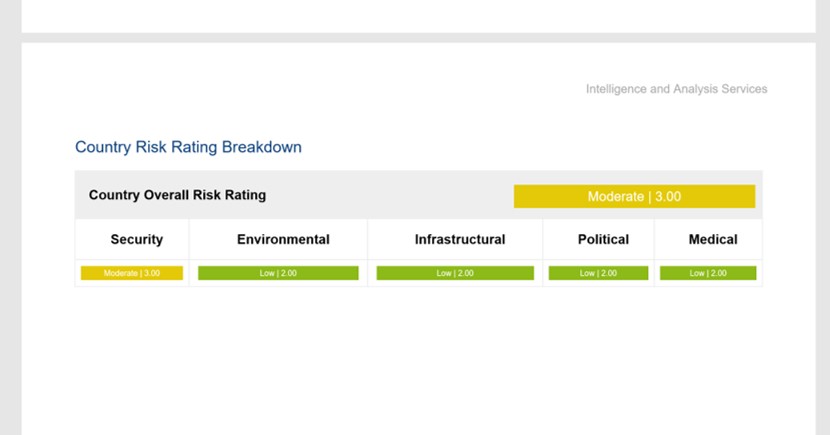
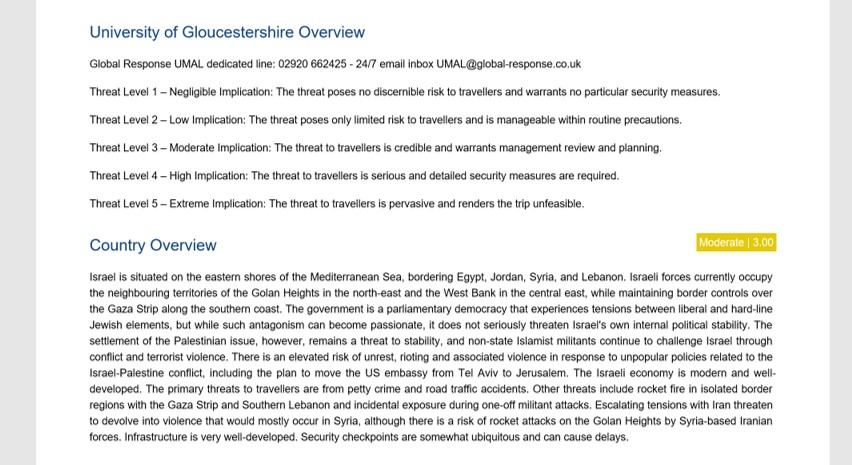
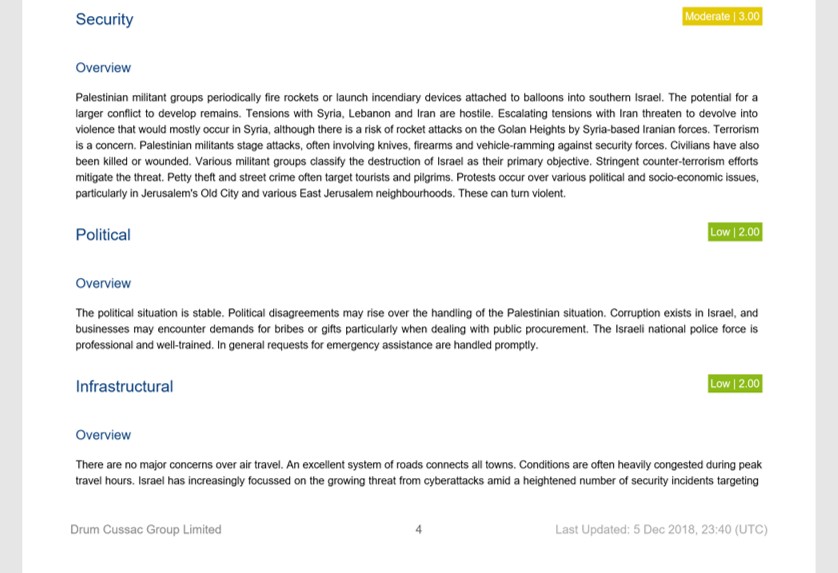
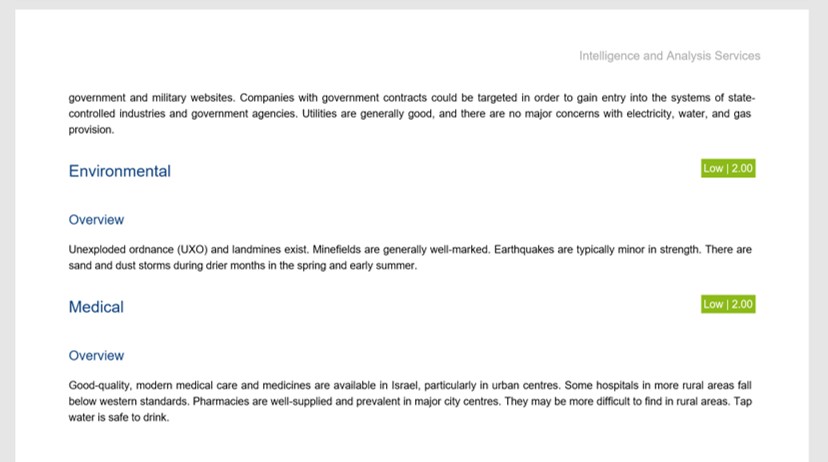
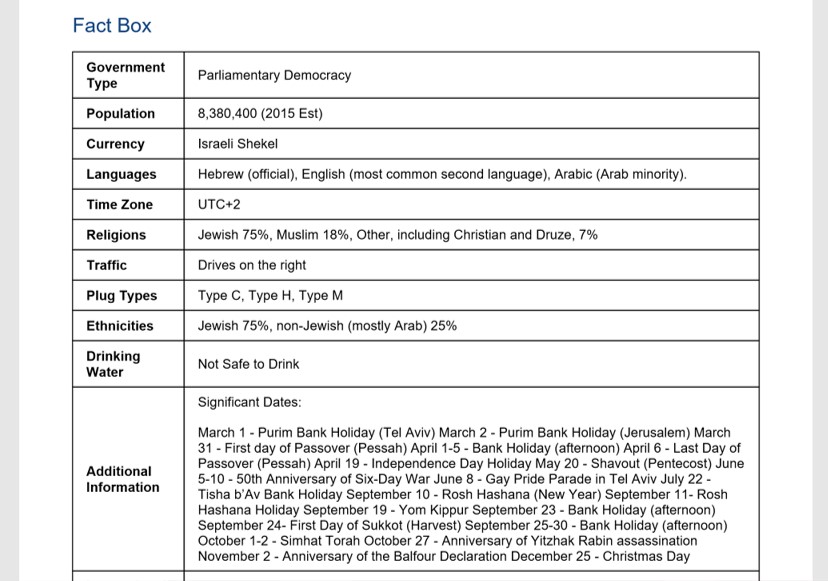
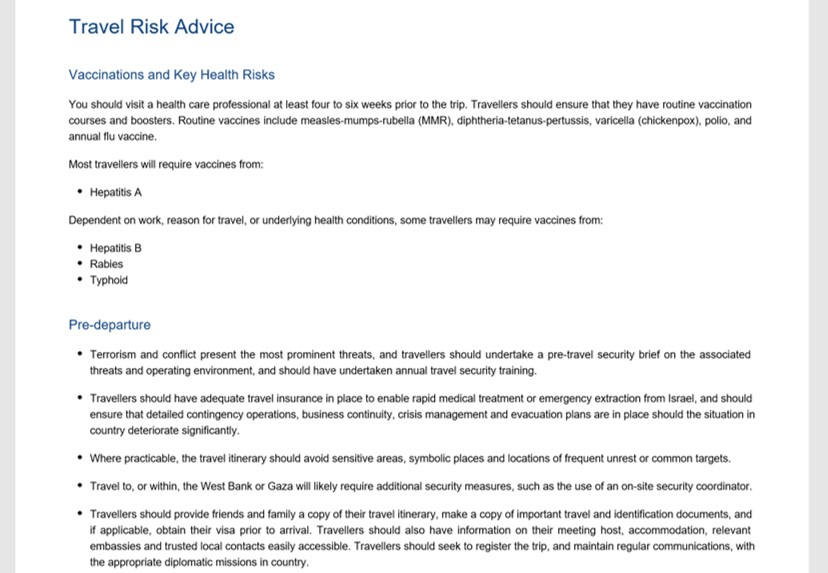
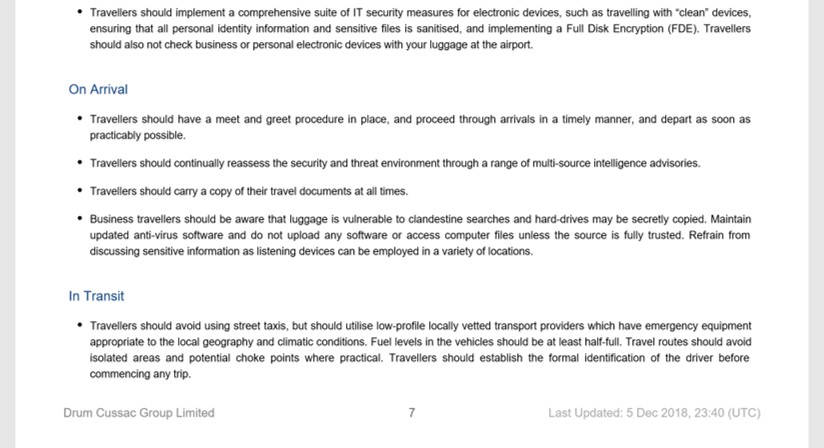
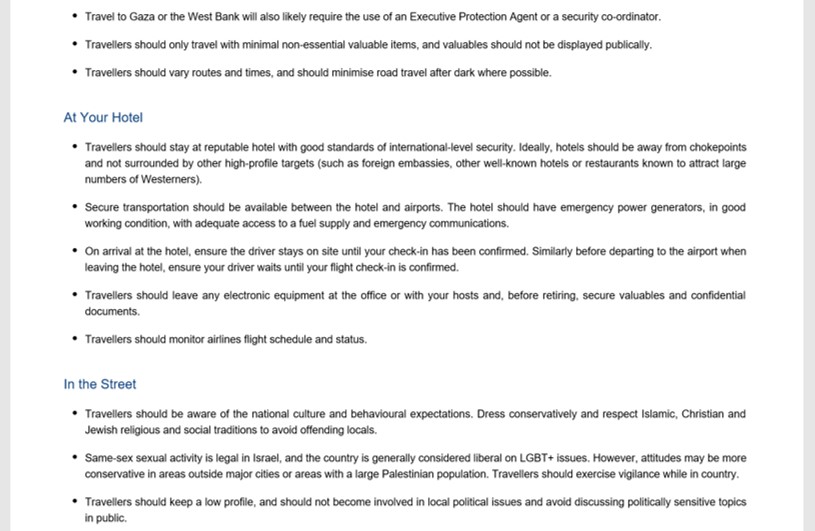
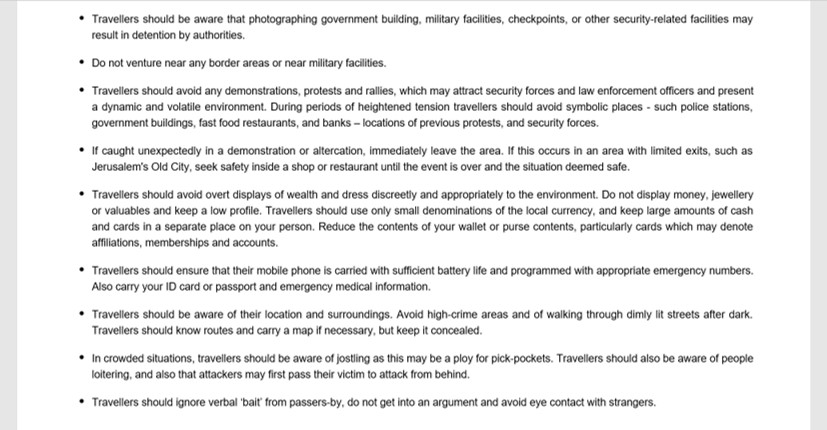
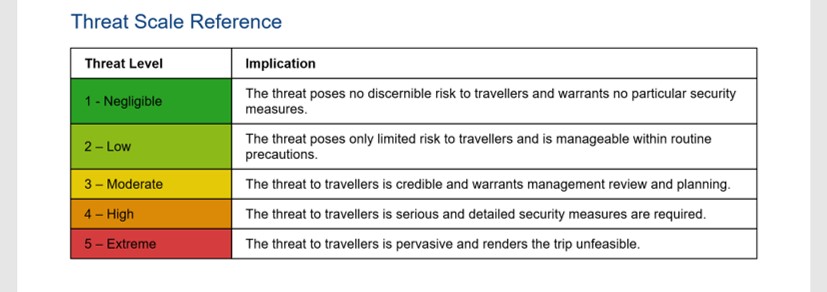
Gov.com Travel Advice
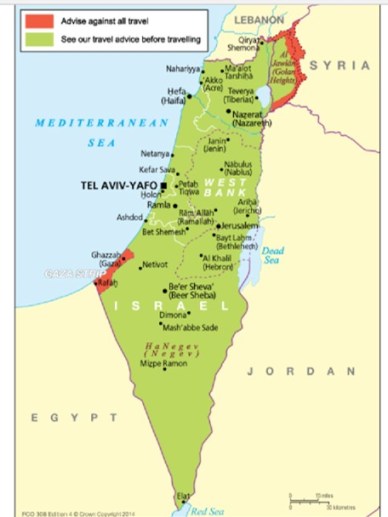
This travel advice covers Israel and the Occupied Palestinian Territories
The Foreign and Commonwealth Office (FCO) advise against all travel to: Gaza the Sheba’a Farms and Ghajjar and within 500m of the border with Lebanon (the ‘Blue Line’) east of Metula, including the northern edge of the town east of Route 98 along the Syrian border
On 12 November 2018, over 370 projectiles were fired from Gaza into southern Israel. Israel responded by returning projectile fire into Gaza. If travelling in southern Israel, familiarise yourself with the safety actions that you should take in the event of a warning siren, follow advice from local authorities and stay informed of the security situation through the media and this travel advice.
Israeli Defence Forces announced on 4 December that they are carrying out a number of operations against “Hizbollah underground tunnels”, which they claim have crossed the Blue Line from Lebanon into Israel. They stated that initial operations are in the areas of Metula and Misgav Am, and that overall operations could last for several weeks. The IDF have closed the areas near the ongoing military operations to the public. If travelling near military operational areas, adhere to all Israeli official instructions.
05/12/2018 Israel travel advice – GOV.UK
https://www.gov.uk/foreign-travel-advice/israel 3/4
There have been mass protests on the Gazan side of the Gaza/Israel perimeter fence since 30 March. These protests may continue for some time. There is a risk of increased tension at checkpoints in Gaza during this period. You should avoid demonstrations, follow instructions of local authorities and keep up to date with local media and travel reports.
There is an increased risk of instability in the region. The Israeli Defence Forces announced that they carried out air strikes in Syria on 10 May in response to Iranian missile attacks against Israeli forces. Please follow advice from local authorities and stay informed of the security situation through the media and this travel advice. Sporadic indirect and small arms fire has occurred along Israel’s Syrian border without warning since 2012. There has been an increase in errant artillery, rocket and mortar fire from Syria in to Israel throughout the latter half of 2017. On several occasions the Israeli authorities closed parts of Route 98, due to the increase in fighting in Syria, especially by the Quneitra border crossing, which has been seized by Syrian rebel groups. If travelling in the area remain vigilant, follow advice from local authorities and stay informed of the security situation through the media and FCO travel advice.
The Israeli Parliament passed a law on 6 March 2017, which gives authority to deny entry to foreign nationals who have publicly called for a boycott of Israel and/or settlements, or who belong to an organisation which has called for a boycott. Contact the Israeli embassy (http://embassies.gov.il/london/Pages/default.aspx) for further information. See Entry Requirements (https://www.gov.uk/foreign-travel-advice/israel/entry-requirements).
The security situation in Israel and the Occupied Palestinian Territories can be fast moving, tense and unpredictable. You should be vigilant at all times and keep up to date with local media and travel reports. In Israel and the West Bank, including Tel Aviv, East Jerusalem and the Old City (particularly the Damascus Gate and Lion’s Gate areas) and Hebron, there have been numerous violent clashes between protestors and security forces and stabbing, shooting, arson, vehicle ramming and stone throwing attacks on people and vehicles. These types of incidents also happen along Route 60 within the West Bank (the main road connecting Jerusalem with Nablus and Hebron) and along Route 443 between Tel Aviv and Jerusalem. There’s a risk that tourists or bystanders could be caught up in any incident. You should avoid any demonstrations and follow instructions of local authorities.
Be especially vigilant and take great care at the Qalandiya checkpoint between East Jerusalem and Ramallah, in areas close to refugee camps, in and around Israeli settlements and in the cities of Jenin, Nablus and Ramallah. There have also been several violent incidents in the northern West Bank area (north of Tappuah). Individuals carrying weapons have been arrested in Nablus.
There’s a risk of increased tension around Jewish high holidays (Passover, Rosh Hashana, Yom Kippur and Succoth) and after Friday prayers and on religious holidays. Demonstrations and other forms of civil unrest can occur at short notice and often turn violent. See Safety and security (https://www.gov.uk/foreign-traveladvice/israel/safety-and-security). There have been a number of violent incidents on public transport and near public transport lines in Jerusalem, including the Light Rail network. You should avoid using buses in Jerusalem.
Due to a significant number of road traffic accidents involving taxis in the West Bank we advise you avoid using them where possible.
Take extra care when using public transport in Tel Aviv, in particular at transport hubs, and when using buses in the greater Tel Aviv area. You may wish to consider using other forms of transport.
Rockets have been fired from Gaza towards Israel on a number of occasions, and Israel has responded with air strikes on targets in Gaza. Further rocket fire is possible and you should familiarise yourself with the safety actions that you should take in the event of a warning siren.
05/12/2018 Israel travel advice – GOV.UK
https://www.gov.uk/foreign-travel-advice/israel 4/4
The security situation on the border with Egypt remains volatile. Take extra care and be vigilant when using Route 10 which runs along the Israeli border with Egypt and is subject to closures by the Israeli authorities. You may wish to consider using other routes.
In northern Israel there have been an increased number of incidents of accidental or deliberate artillery, rocket or mortar fire from Syria into the Israeli-controlled Golan Heights. Take care when travelling in areas of the Upper Galilee and the Golan Heights. Make sure you’re aware of Israeli immigration policies before you travel. Allow extra time for increased security measures and checks at airports during Israeli holidays and during the peak summer tourist season. See Entry Requirements (https://www.gov.uk/foreign-travel-advice/israel/entry-requirements)
Terrorists are very likely to try to carry out attacks in Israel and the Occupied Palestinian Territories. Attacks could be indiscriminate, including places frequented by foreigners, and on public transport. See Terrorism (https://www.gov.uk/foreign-travel-advice/israel/terrorism)
If you’re abroad and you need emergency help from the UK government, contact the nearest British embassy, consulate or high commission (https://www.gov.uk/government/world/embassies). The Overseas Business Risk service (https://www.gov.uk/government/collections/overseas-business-risk) offers information and advice for British companies operating overseas on how to manage political, economic, and business security-related risks.
Take out comprehensive travel and medical insurance (https://www.gov.uk/foreign-travel-insurance) before you travel.
Reflection
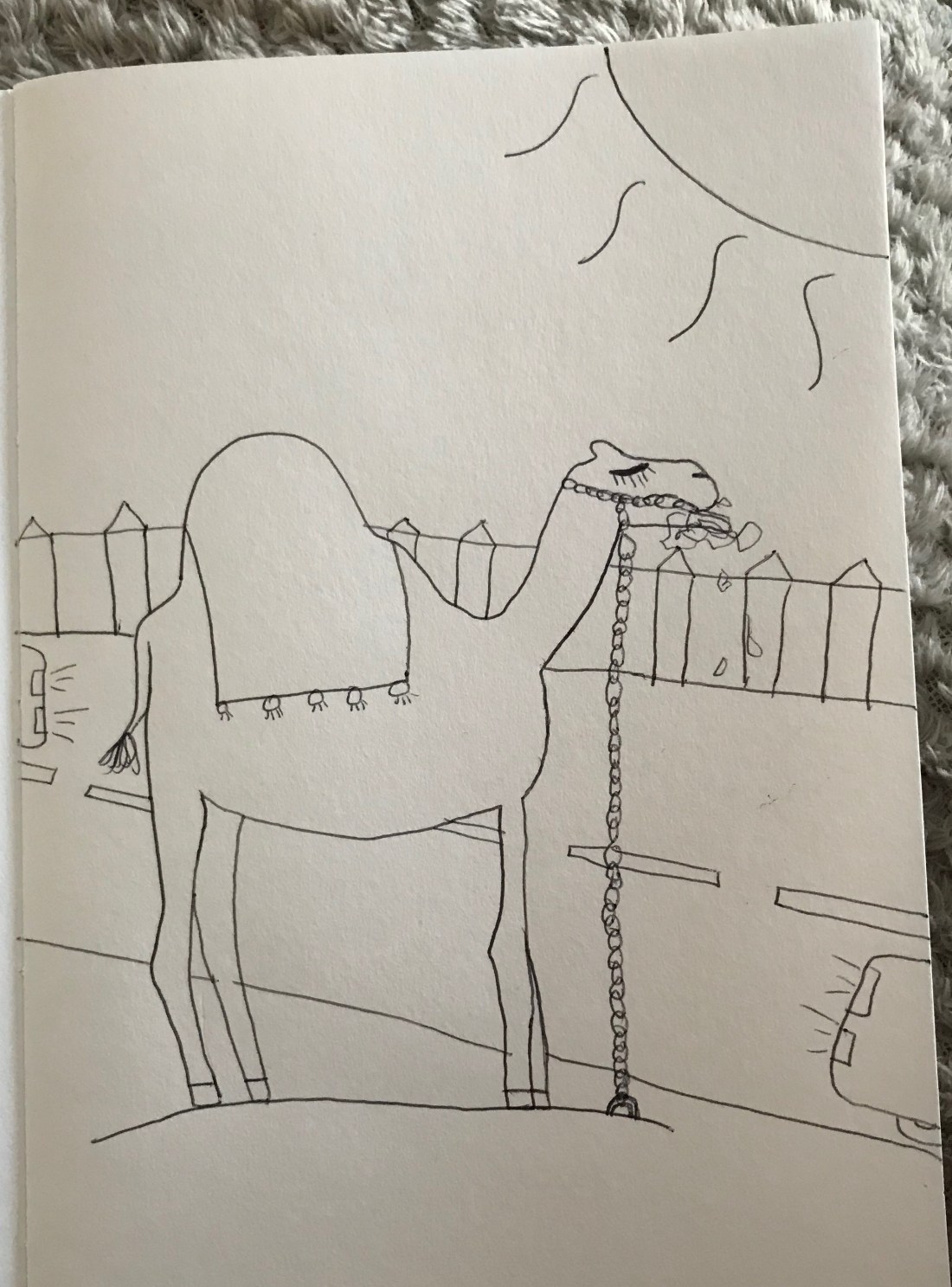
My intention with this final major project was to come away not only with a set of images that I could take forward as a portfolio, but also with having experienced somewhat what it would be like to be a legitimate photojournalist. I wanted to be able to send to agencies and show them what I could produce in a limited time, and to prove I could do it if they were to hire me. There were definitely times when I faced moral problems: the most obvious being that I felt uncomfortable photographing those who were having deep and personal moments of religious reflection, but there were also other moral quandaries too. The one that particularly sticks in my memory is not one of people but of animal welfare. We had pulled over with our taxi driver to see the point where sea level is, and there was a lone camel chained at the side of the motorway, foaming at the mouth and without water in the desert heat. Obviously the camel was being used to attract tourists who were passing down the motorway, but it was such an act of cruelty I couldn’t even get out of the car to get a closer look. In retrospect, a photograph of this scene would have shown the darker side of tourism in the Holy land, but in that moment I couldn’t lift my camera.
Found Photos
Whilst I was exploring Tel Aviv in my spare time, I happened to come across a kind of charity shop that had huge boxes of old Israeli/Palestinian holiday photographs and postcards from the 1950s and 60s. It crossed my mind that I could combine the found photographs and my own travel photographs in a photobook:


After putting together these found pictures with my pictures I decided that I would need many more found images in order for it to work, so for now, I will stick with my website. Perhaps in revisiting this project I could construct quite an interesting visual timeline of how pilgrimage in the holy land has changed over the decades.
Printing Considerations
I knew from the start that this project was not going to be comprehensive enough to make a book out of. But, perhaps when/if I revisit the project in the future, I found this format which would be really interesting, because while I was on this tour I saw lots of people making notes in little notepads like this.
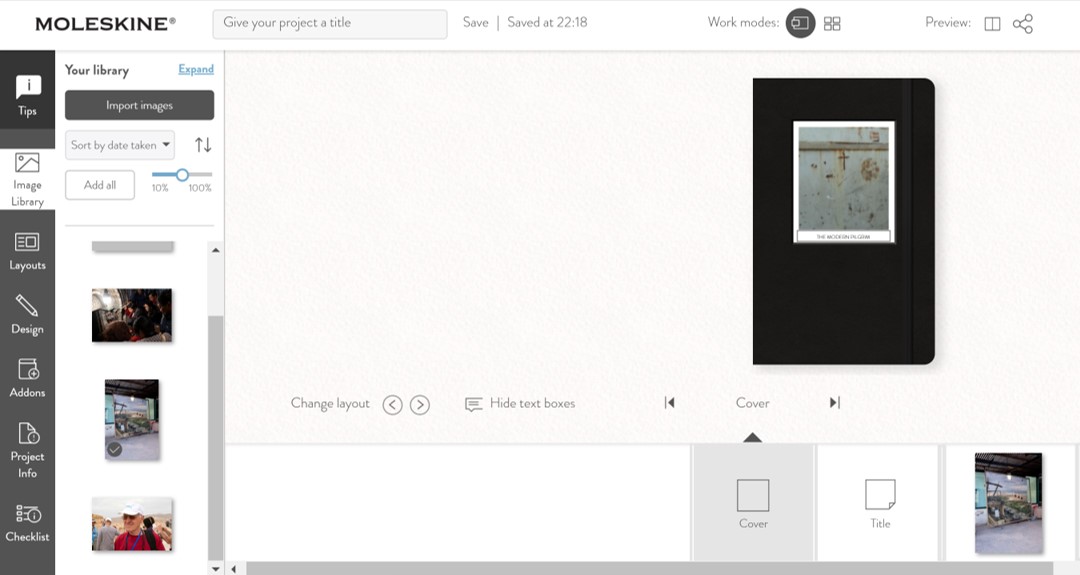
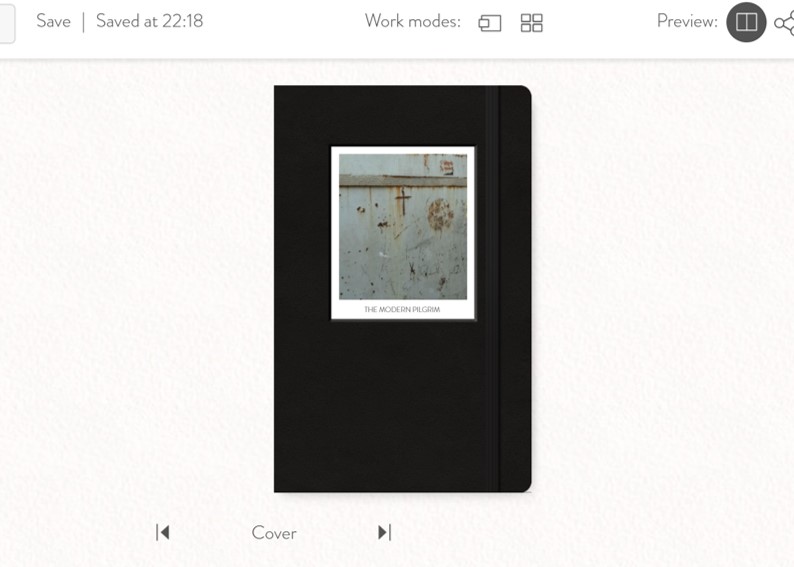
Contact Sheets
I have narrowed down my images from around 3000 images to 500 using the Adobe Bridge ranking system. I didn’t put the whole 3000 images into my contact sheets because every time I tried, my laptop crashed. It is too much data (actually, 277GB of it).


Questions for Tutorial
I dunno what to print my photos like. Can I just do a blog post/ online thing or does it have to be physical?
Do a website of you’re going to do it online! A whole new website. And plan an exhibition too, do as much as you can in this module. Can do both.
how to get photos ready to print, sizing / colour etc.
Only worry about the dimensions: so look at sizing. size it up at 110% each time over and over in order to not blow out the pixels. Can create a document in the size you want (in millimetres and at 300dpi) and size up to that to make it easier. Use bicubic smoother
how to do a good submission for Ian Parry scholarship and others
Speak to Tom Pilston about going to shoot in Palestine, he knows about this stuff and is in touch with fixers (tompilston@gmail.com).
When sending work off to magazines or websites, first send a brief email with 2 strong images. A week later, send another more detailed email, and send them the website.
should I do a book if it’s not going to come in time for marking but will come in time for degree show?
yes would be good for putting in a portfolio box.
Competitions and Grants
I have used this project to apply to the Lens Culture Street Photography Awards, the BJP Women in Focus, the AOP Student Awards, and the Getty Images Reportage Grant. For the Reportage Grant, I had to submit a proposal outlining how I would use the grant of $15,000 and why the subject interested me personally. This is what I wrote:
“I would like to revisit the West Bank in Palestine to spend more time with my friend Jawad and to meet his family, so that I can begin to understand how the Occupation has affected people on personal and inter-generational levels. Jawad is a somewhat elderly taxi driver in the Jerusalem area, who I got to know over several days of touring. It was clear to see from a distance the segregation that the Palestinians suffer, but when being told personal stories from Jawad on the subject of apartheid and poverty, it was shocking to hear. For me, as a Western observer, my view of the war between Palestine and the state of Israel was skewed and biased by seeing only images of bloody, primal warfare in mainstream news. The Western media has only added to this image of Palestinians as the instigators of conflict by broadcasting this kind of journalism, and ignoring the plight of those on the ground. For such a complex political and social subject, I have found very little which works with Palestinians, and not against them. Of course, I understand the importance of holding a neutral standpoint when engaging with reportage, but I believe allowing a more civilised narrative to be constructed does not take away from this. It is evident that images of bloody warfare no longer engage the viewer; we are desensitised to it, but if I can allow the viewer to relate to my subjects on a human level, then I am truly utilising the power of photojournalism.
I am a student of Photojournalism and Documentary Photography (BA) and am coming to the end of my degree. I was brought up Catholic for many years and so the idea of the holy land was quite fascinating to me, even after losing faith. For my final major project, I wanted to explore the concept of modern pilgrimage in Israel and how Capitalism encroaching on the Middle East has either enabled or exploited the idea of pilgrimage in its traditional sense (I have used this project as my portfolio as it is my most recent work).
Whilst I spent time in Israel and the Occupied Territories, it was difficult to ignore the political situation, and after meeting Jawad I felt compelled to give him a voice where he had felt silenced for so many years. I recognise my privilege as a photographer and feel that it would be an injustice if I weren’t to go back and use that privilege to help a friend who is truly in anguish.
For a while now, I had lost purpose in my work because I hadn’t found a subject that I truly cared about. I feel that all the experimentation I have carried out within my degree has brought me to this point, and am going forward in the hope that my journalism could be used for some real social change; or at least, in this case, acknowledgement.”
Live Website Link
https://www.themodernpilgrim.online/
Final Edit
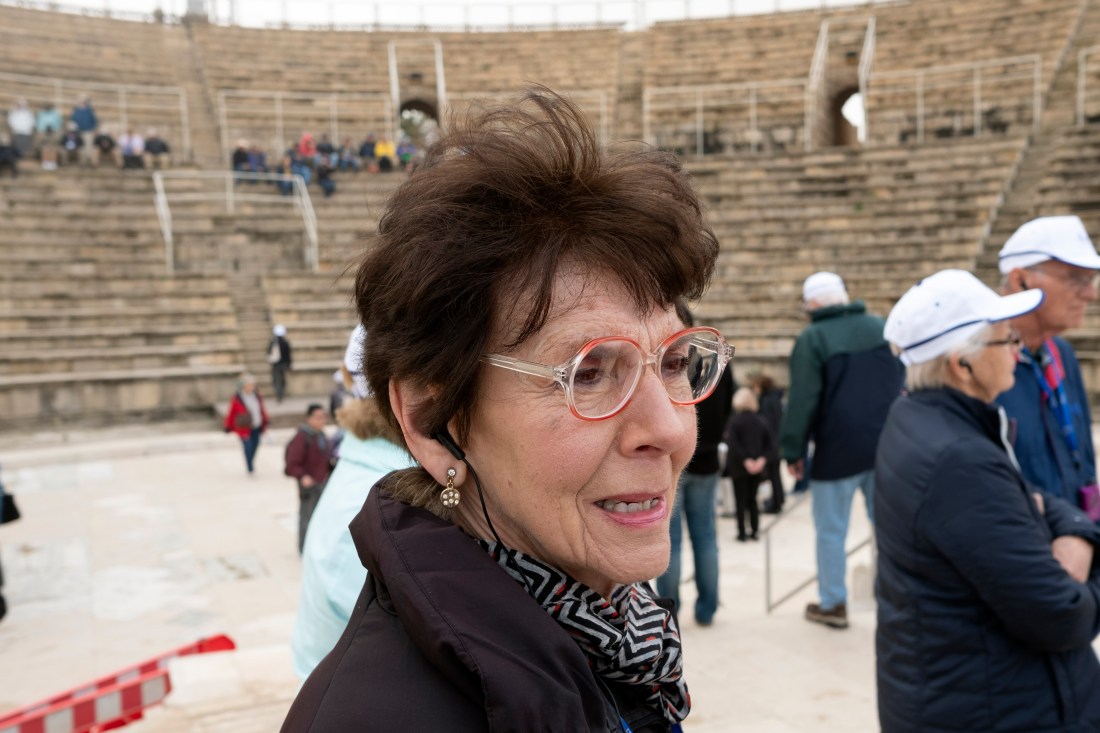
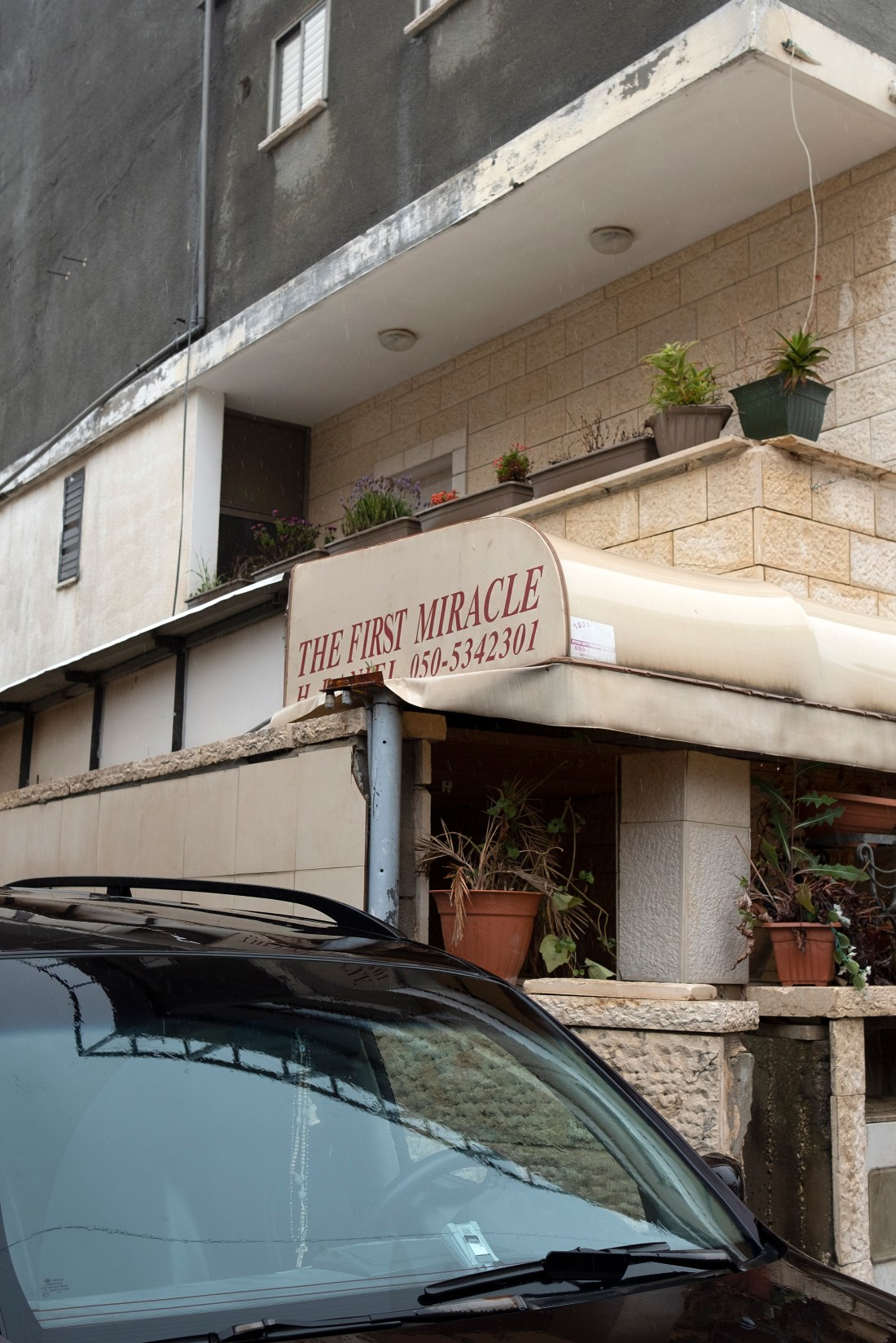
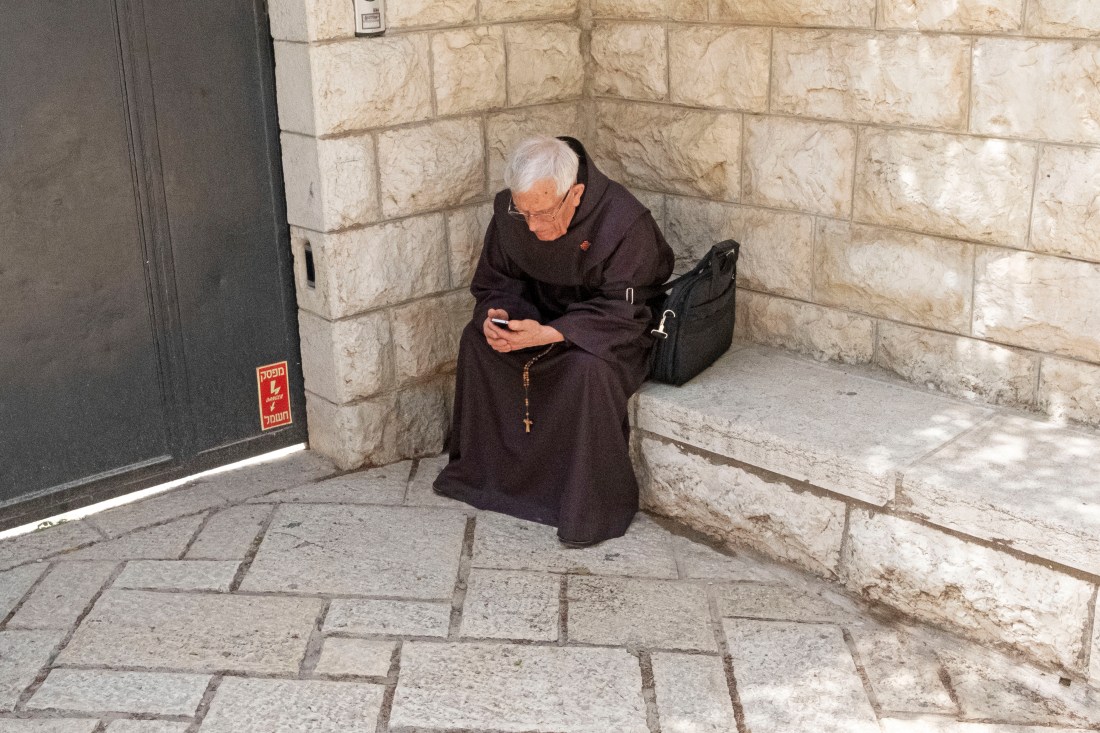
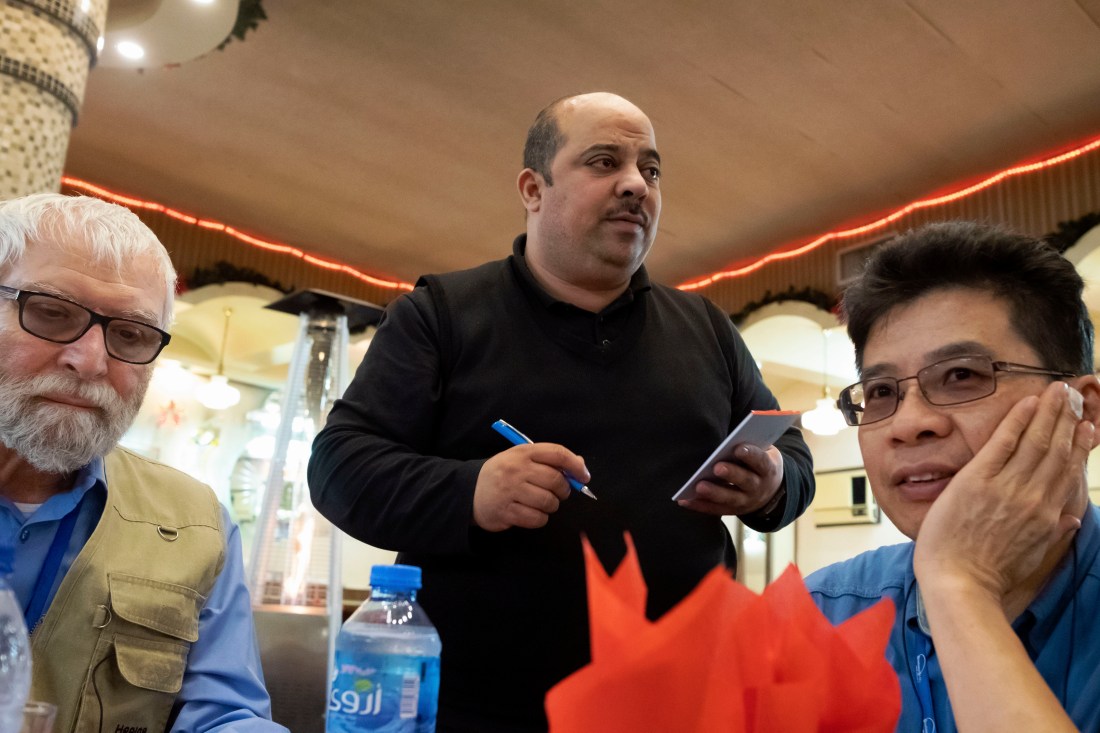
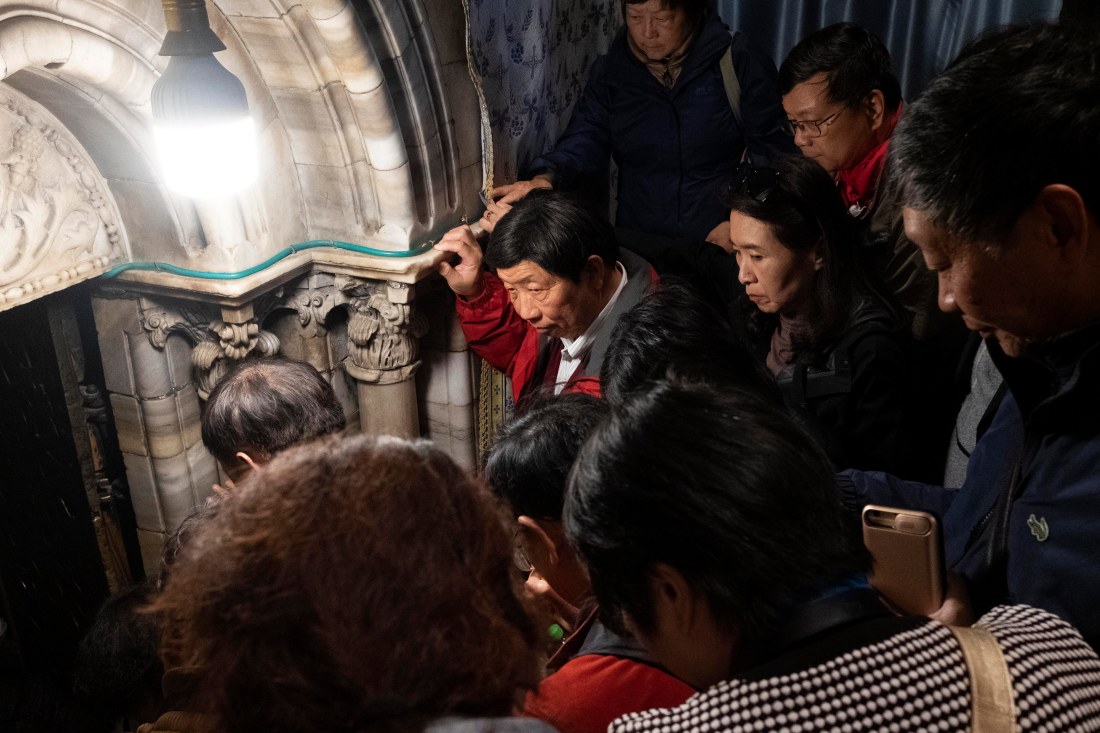
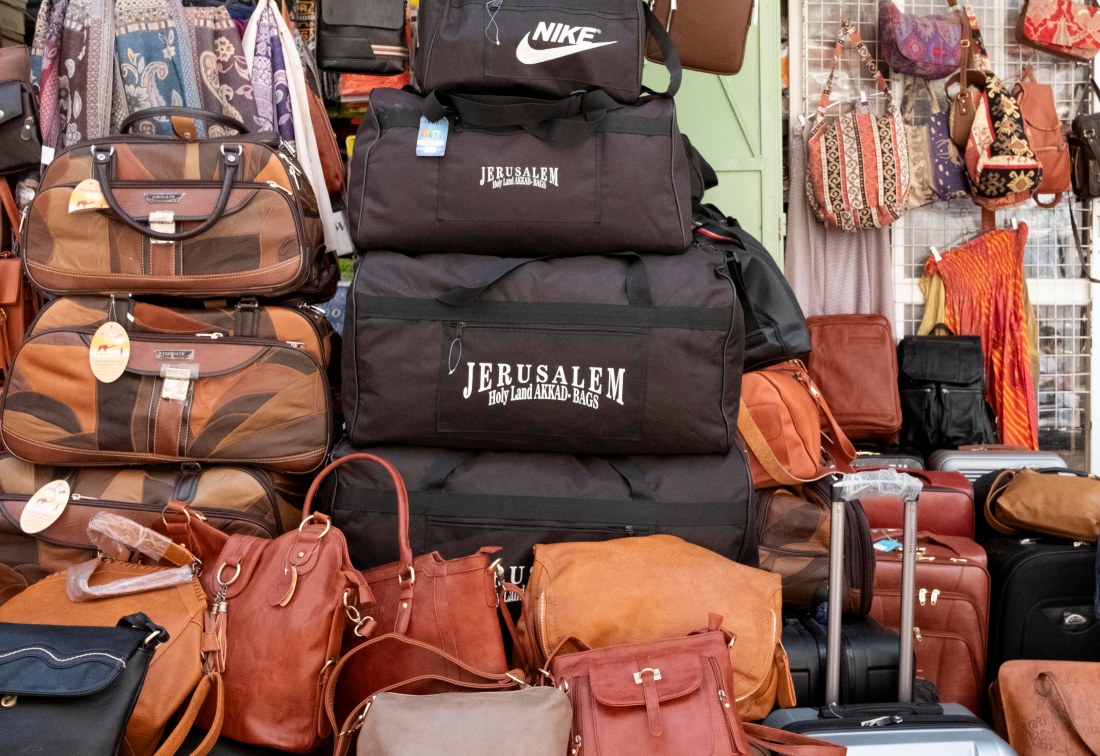
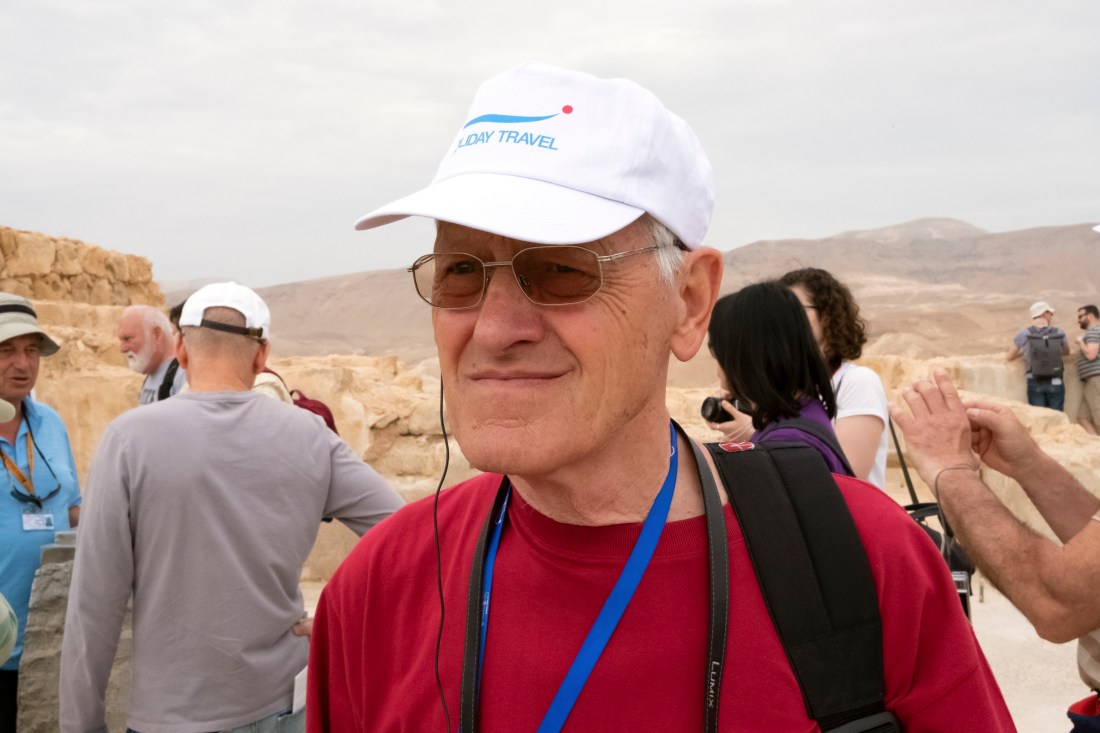
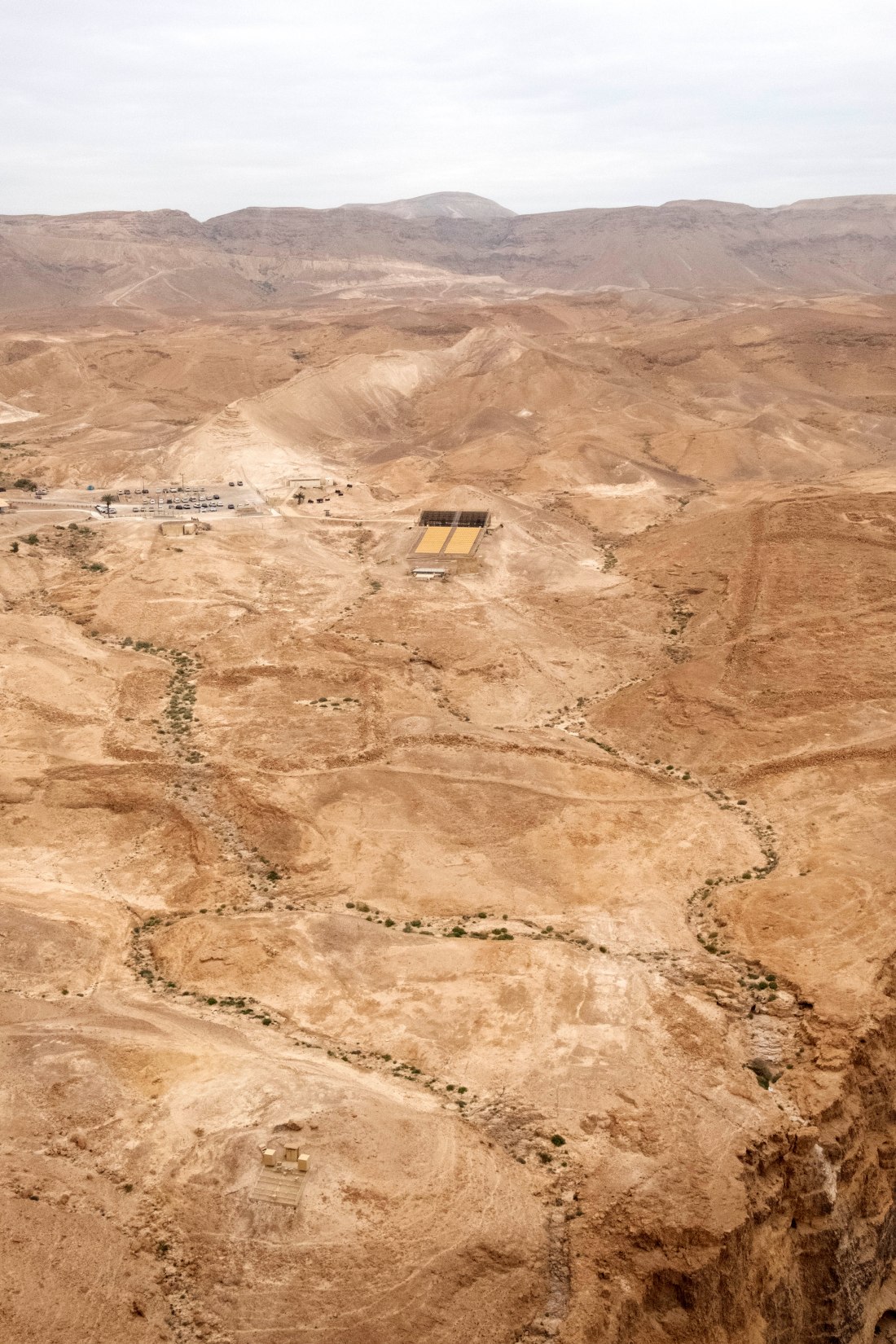
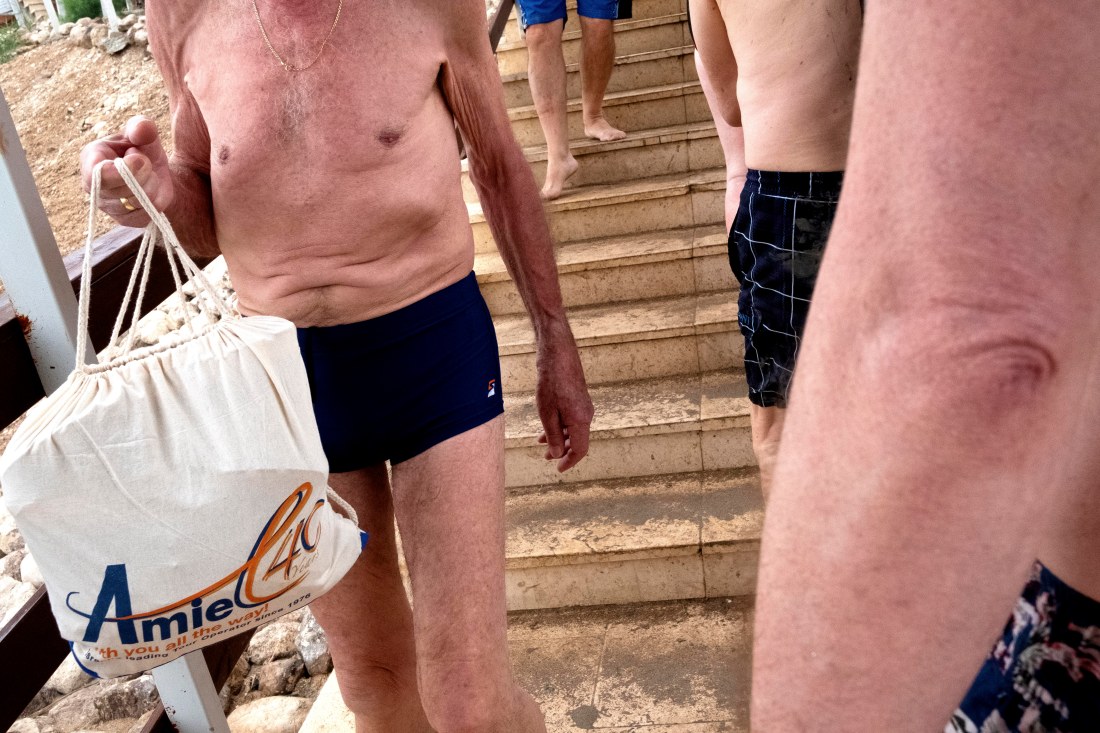
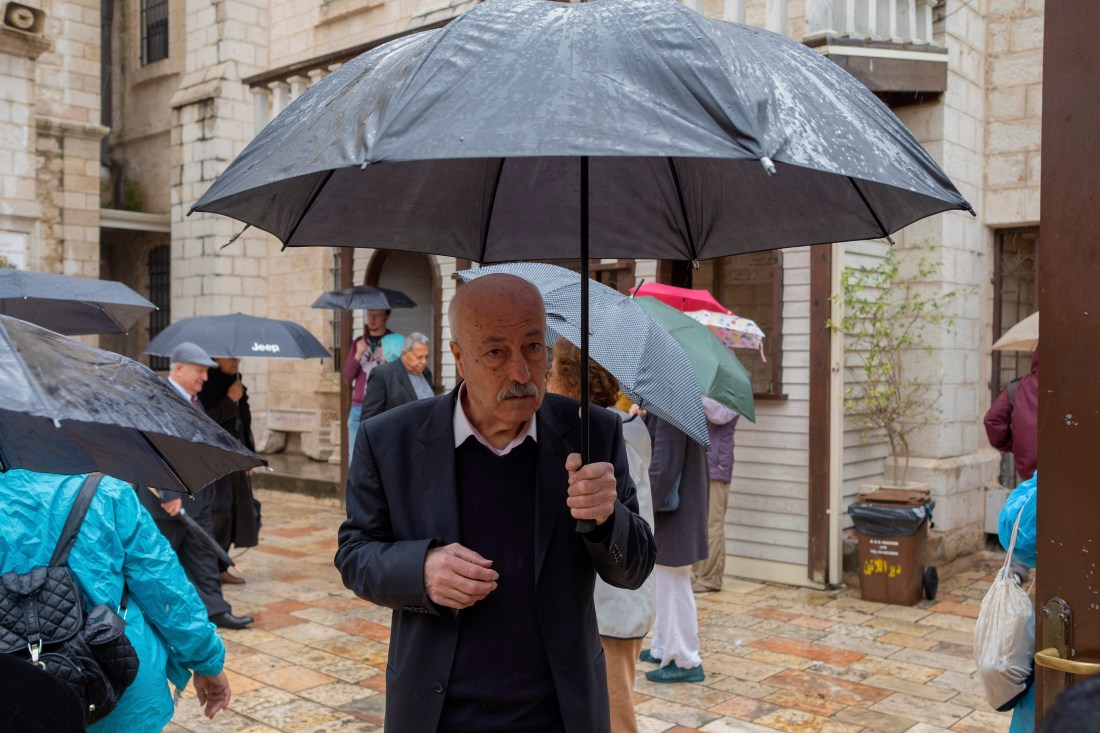
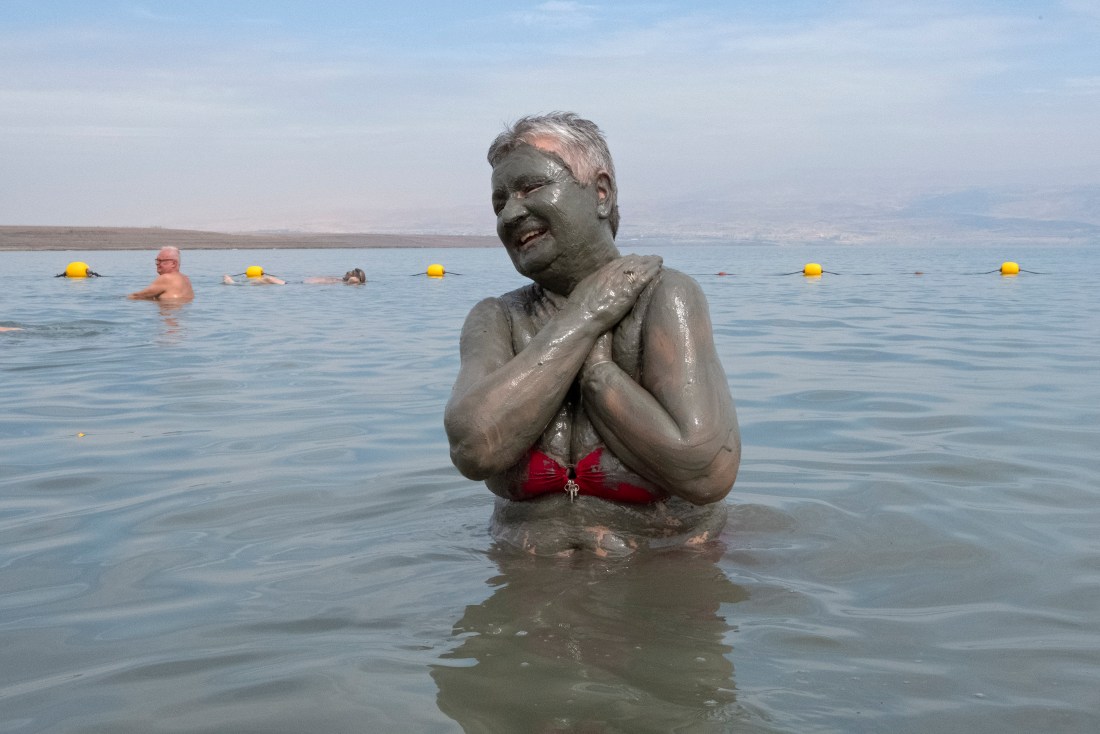
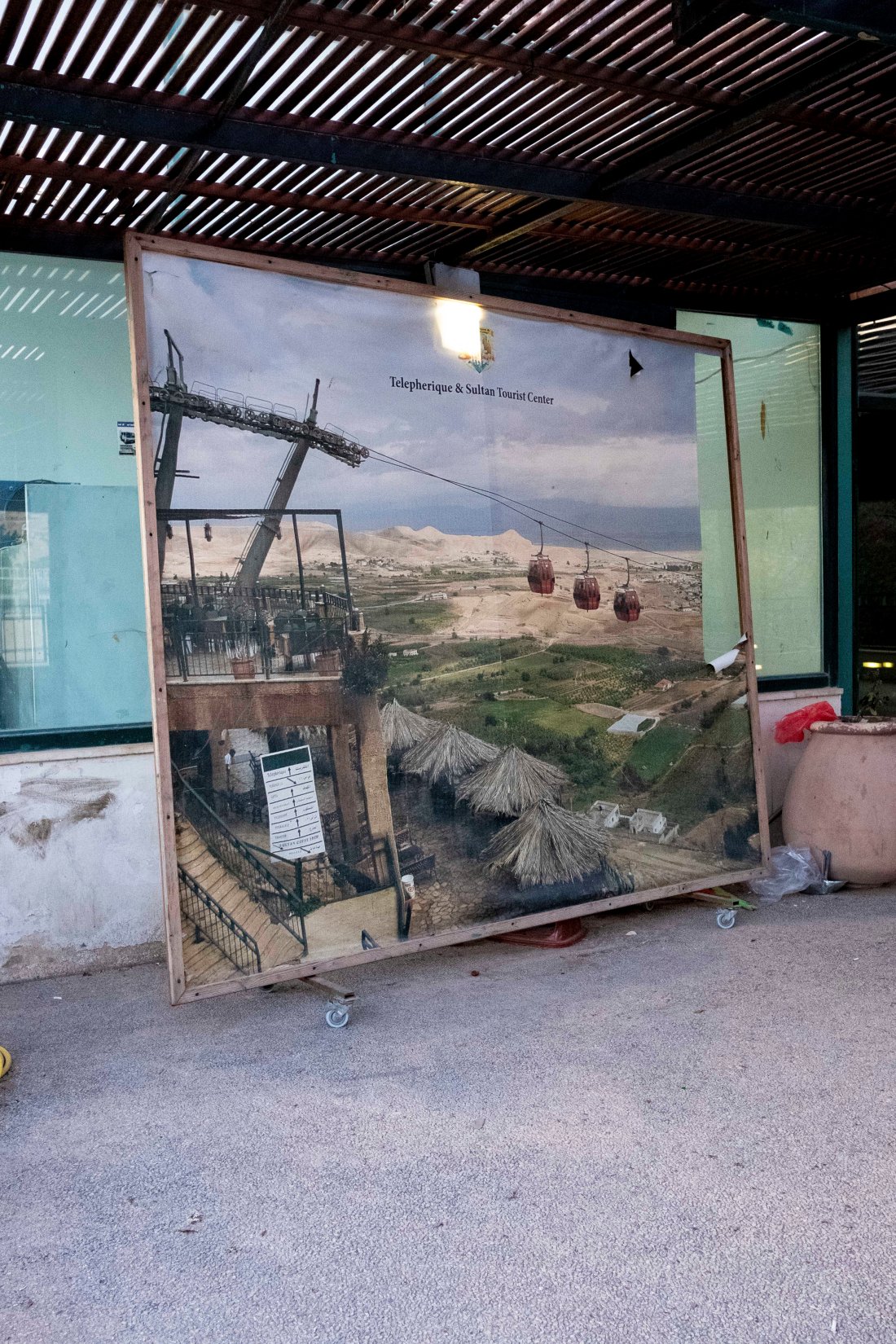
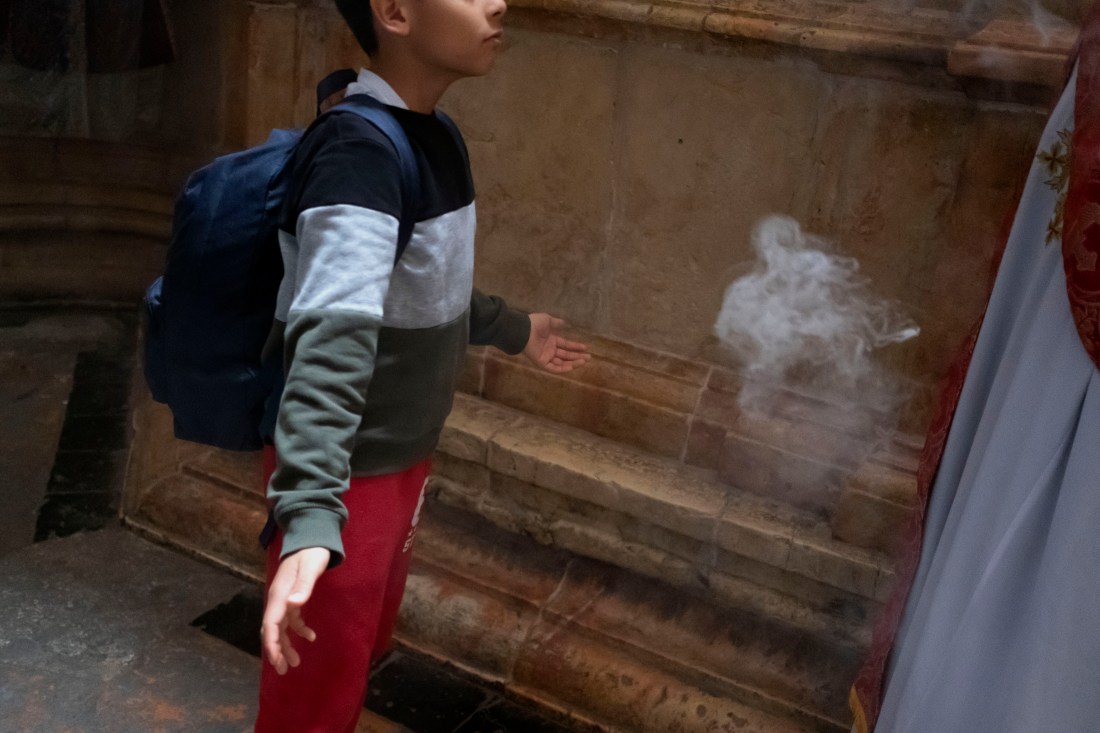
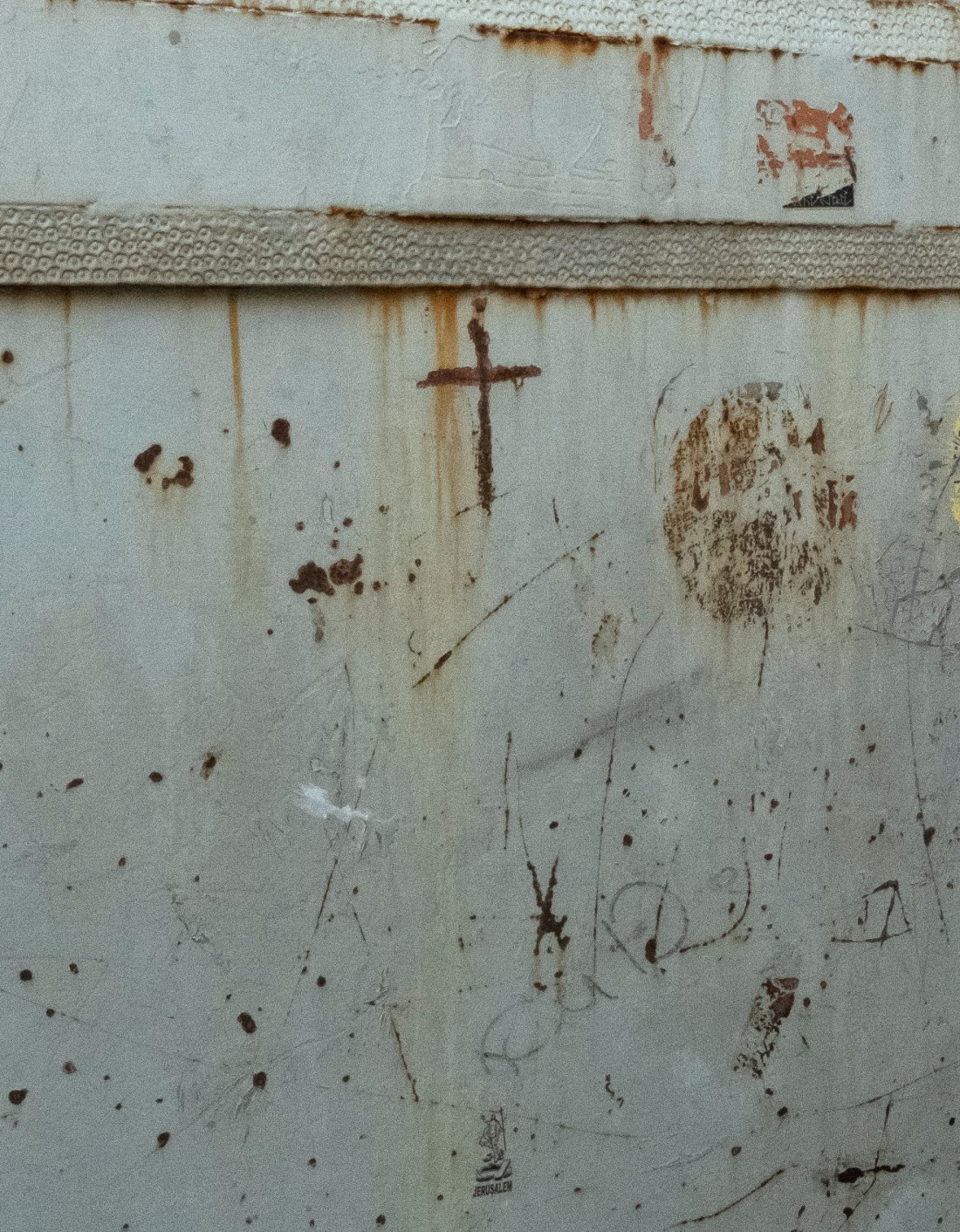
Final Print
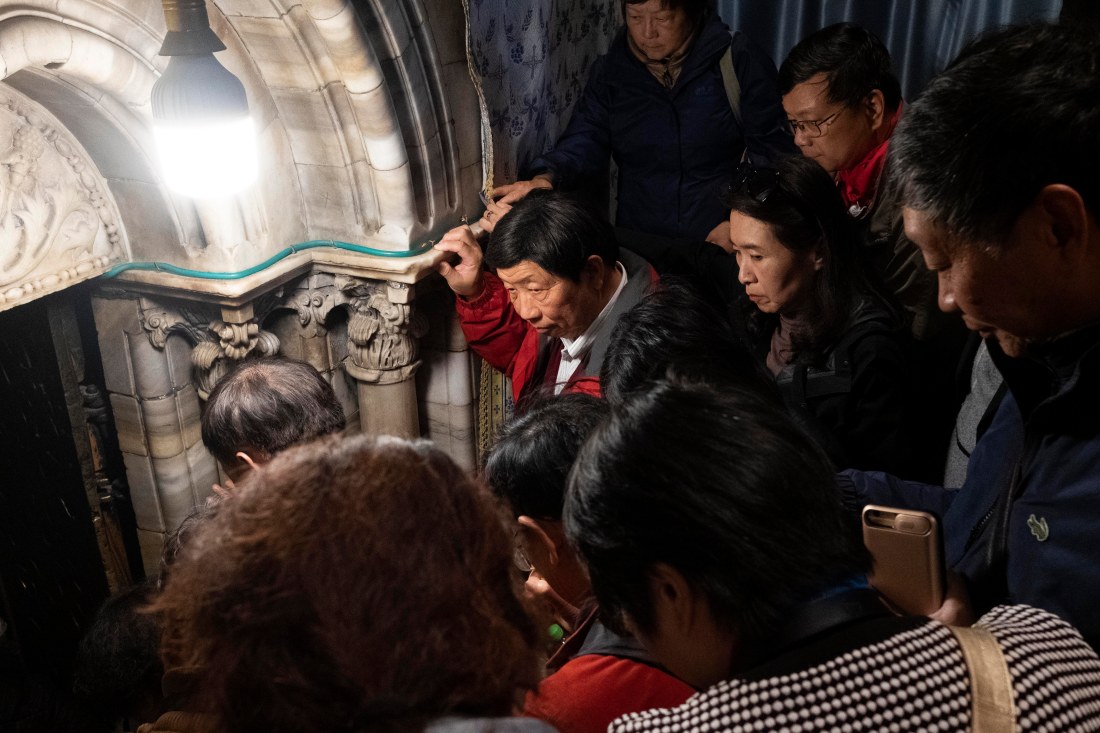
Because I have entered competitions and intend to continue to enter competitions that require that, if you are shortlisted, your images will be part of a physical exhibition, I decided to also do a final print just to see if my images would blow up to a big size in print. I printed it on size A1 using Hanemuhle Photo Rag because it was the most matte printing option from the Print Space which maintained a smooth surface texture. When I was at Format Festival in Derby I personally found a super matte finish to be the most sophisticated finish for a project like mine. I was concerned as to how the grain would look because I accidentally shot on ISO 8000 and didn’t realise until around the fourth day… fortunately, my camera (Fujifilm X-T2) is good on high ISO and I was able to soften the grain using camera RAW in Photoshop. For me, when the print arrived, I was not too disappointed with how the grain appeared at such a large size and having the photo been taken in low light. If I were to have this image exhibited in a gallery, I would have it mounted on black MDF board.
Rejected Images
I had chosen each of the images in my edit so that it succinctly flowed as a series both in theme and aesthetic (in terms of colour and composition). Of course the aesthetics are secondary, but allows the eye to move easier across the images. There were a few images I wanted to use in the series but had to reject because it didn’t meet both of these requirements:


 PJD year 3