When starting a new module, I usually first go to the library for inspiration. However, this can be quite an overwhelming amount of photography to sift through, and so for a while I have taken to using Instagram’s ‘saved’ feature. This allows me to build a collection of all my favourite photographs, usually from current photographers, and create my own personalised digital photo collection. I have been doing this for over a year now, and so all my favourite photographers and projects are in one place.
The Dead Sea by Zuzanna Szarek – http://www.zuzannaszarek.com/
People love to look at pictures of their own country – brings together a sense of national identity
Lunar landscapes – shot on long exposure with only the light of the moon. Don’t have to shoot in daylight, considering winter is approaching
Think about how WE affect the landscape – our landscape is only temporary
Maybe see if dad will take me to the mine??? At work
Simon Roberts – we English
Landscape is about putting something into context – or someone. Think about elevated position.
Re-examine existing buildings. Think about frame and land usage
Re-appropriation of news
Consider access to subject matter
Yan Wang Preston!!!!!
Coombe Hill
Who manages Coombe Hill? – List some of the species that are found in this vulnerable landscape and how they are provided for in terms of a managed landscape – What physical evidence for this is here in terms of photography and how could you shoot it?
This wetland has long been important for flocks of wintering wildfowl like wigeon, shoveler, pintail and teal, as well as Bewick’s and whooper swans. Migrants need food to recoup energy for the journey north and breeding, as well as undisturbed time to rest on the water. They travel between Severn and Avon wetlands for food and refuge, including Walmore Common, Slimbridge, Tewkesbury and the Trust’s Severn Hams nature reserves, notably Ashleworth Ham.
The Wildlife Trust is currently working restoring this important wetland site. As farming became more intensive from the 1950s, with fertilisers, sprays and drainage, this site once rich in wildlife lost much of its conservation value.
Gloucestershire Wildlife Trust purchased Coombe Hill Canal in 1985. In 2000 it was able to acquire the meadows and then, in 2004, expand this area with a further purchase of the Southern Meadows. At 223 acres (91 ha), Coombe Hill is the largest of the Trust’s four Severn Hams Wetland reserves.
It will take many years for it to again be the wildlife rich wetland of 60 years ago, but restoration is well underway:
– Keeping it wet with special banks across ditches to keep water in the reserve so the soil stays moist until late summer
– Preventing disturbance by setting out a special Breeding Grounds Protected Area
– Farming traditionally with the help of neighbouring farms
– Improving the habitat including re-shaping ditches to be more wildlife friendly
– Thinking big by working with partners and local people to maximise the opportunity to bring back wildlife and rebuild biodiversity.
With such a vast expanse of protected wetland, I would attempt to shoot this subject from a distance, perhaps from an elevated viewpoint and in a landscape style. I would try to show the increasing biodiversity by capturing several different species living in harmony with each other in one frame, on the backdrop of the beautiful Cotswold hills.
Research
When starting a new module, I usually first go to the library for inspiration. However, this can be quite an overwhelming amount of photography to sift through, and so for a while I have taken to using Instagram’s ‘saved’ feature. This allows me to build a collection of all my favourite photographs, usually from current photographers, and create my own personalised digital photo collection. I have been doing this for over a year now, and so all my favourite photographers and projects are in one place.
The Dead Sea by Zuzanna Szarek – http://www.zuzannaszarek.com/
I have considered a few ideas for this project, but have settled on the idea that I want to refine my street photography skills, by focusing on the elderly people in our society. As my studies have gone on, I have tended to dismiss the idea of street photography as being a valid and professional form. But I have been looking back at some of my work, and my favourite and probably best work is my street photography. I do know deep down that it’s a really important genre of documentary photography, but I feel like I’ve become too self-aware or anxious this past year and have felt as if I need to be much more ‘complex’ or ‘considerate’ with my work. But I remembered that work doesn’t particularly have to be technically difficult to produce in order to be powerful. Street photography is what I’m good at and I want to practice it in order to become the best I can be, as I have somewhat abandoned it for too long.
I want to produce a narrative that draws attention to the increasing loneliness that our elderly generation is suffering, despite there being more old people now than ever before. People are living longer, but are becoming increasingly disconnected from each other. This is a problem that has come with austerity, mostly thanks to the tories, which is interesting to consider because it is the older generation that overwhelmingly vote Tory, compared to the youth. Cuts in services such as the loss of council-led care homes for the elderly, and restrictions and cancellations of the over 65’s bus passes have left elderly people stranded in their homes or in their dead-end town centre. This is a problem that is often overlooked, because as people grow older and their health deteriorates it seems that they become less respected, even if they were very important people when they were younger. Therefore, they lose their voices and perhaps feel disempowered. Of course, this is not the case for every elderly person and I cannot generalise, however it is the case for a large quantity and it is evident on our streets and in our communities.
Mark Neville – Here Is London
In a lecture for a different module, our tutor showed us the work of Mark Neville. He explained that in most of his images, there was one central figure to focus on, and this really resonated with me:
Even though the photographs are so busy, your eye automatically falls on a single person. I think, in the photographs I had picked out from Instagram originally, it is obvious that I this form of photographing interests me.
Project Planning
As has been evident in my previous work, seaside towns are some of my favourite places to shoot. And coincidentally, whilst I was researching where in the UK has the highest population of elderly people, it happened to be seaside towns, for various reasons:
So, I am going to Weston-Super-Mare this week, then I will plan trips to other seaside towns such as Swansea, Blackpool and Llandudno, to see if there really is a correlation. I am going to be shooting digital as this will yield the highest number of photographs and therefore better opportunity for good shots.
Weston
Was a disaster. lost all confidence and didn’t get any photographs. Also, it was a warm Sunday, and so it was very busy. Didn’t see the gloomy shots I was intending to photograph.
After feeling like giving up, I booked a 2 day trip to Barry Island to pursue my project idea.
Barry Island Shoot Plan
Look for portraits IN CONTEXT
‘the seaside town that they forgot to close down’
Shooting in black and white, (even though my usual style is bold colours) because it is a classic documentary style that allows the focus to fall on the social/political statement I’m trying to make, rather than having attention drawn to ‘pretty’ pictures. I will be shooting on 35mm simply because I believe the depth and quality to be more visually compelling than shooting digital black and white. However, my digital camera has a feature that uses a filter to recreate some different types of film, like…..types. I haven’t used this feature before, so I will try it to compare and see if it may be just as good to use this. The digital viewfinder allows me to see the world in black and white before I shoot it, which will be really helpful, because it does actually change your perspective.
THE ELDERLY
First Shoot
A common thing I noticed when visiting both Weston and Barry was that, in actuality, there were lots of elderly people and most of them were there in couples, and in groups of friends. This made me take a step back and think: well perhaps I am wrong about elderly loneliness being a problem. All of these people seem happy and occupied. By seeking out those who are alone in this landscape, am I going out of my way to create a false statement? Am I trying to create a false narrative, and in a way lie to the viewer? But then I thought again – just because something isn’t the most obvious thing in the landscape, doesn’t make it not real. I was definitely seeing elderly people wandering aimlessly on their own, looking somewhat lost. And I have definitely seen plenty of news articles and charity advertisements that are calling out for people to recognise and fight against it. According to Age UK, the UK’s largest charity for older people:
They say that loneliness can be caused by a myriad of things:
social networks (living alone, being widowed or divorced, a lack of contact with friends and family and limited opportunities to participate in social occasions)
health (poor health, limited mobility, social care needs or cognitive and sensory impairment)
individual characteristics (age, ethnicity, sexual orientation, low income, retirement)
neighbourhood characteristics (structures of buildings and streets, provision of local amenities, territorial boundaries, area reputation, neighbourliness, material deprivation of area of residence).
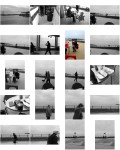
Shots from first shoot at Barry Island
It turned out that, though I started shooting on film, my camera stopped working early on during the shoot and so I carried on using a black and white film simulation filter on my digital Fuji XT2 camera.
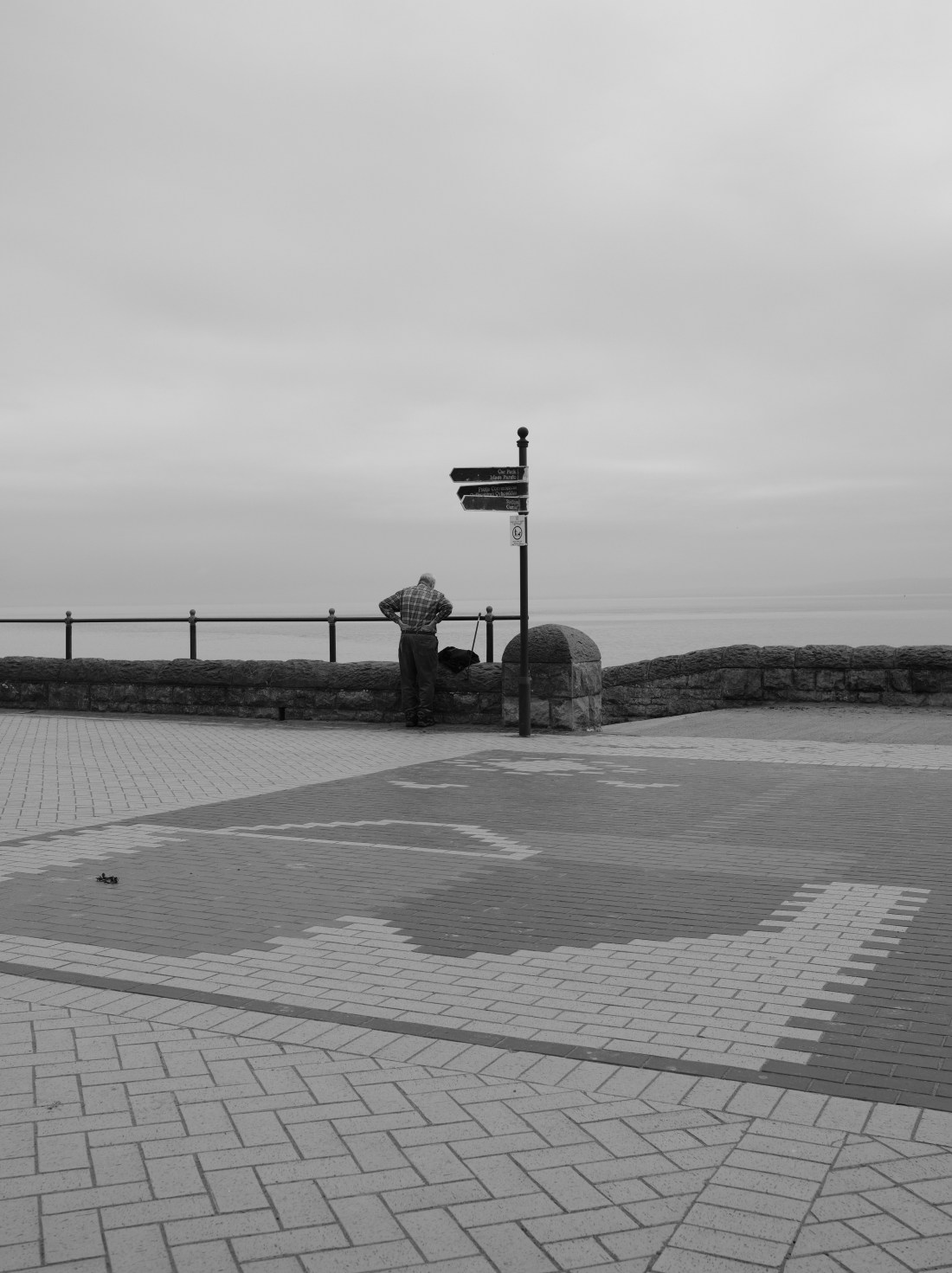
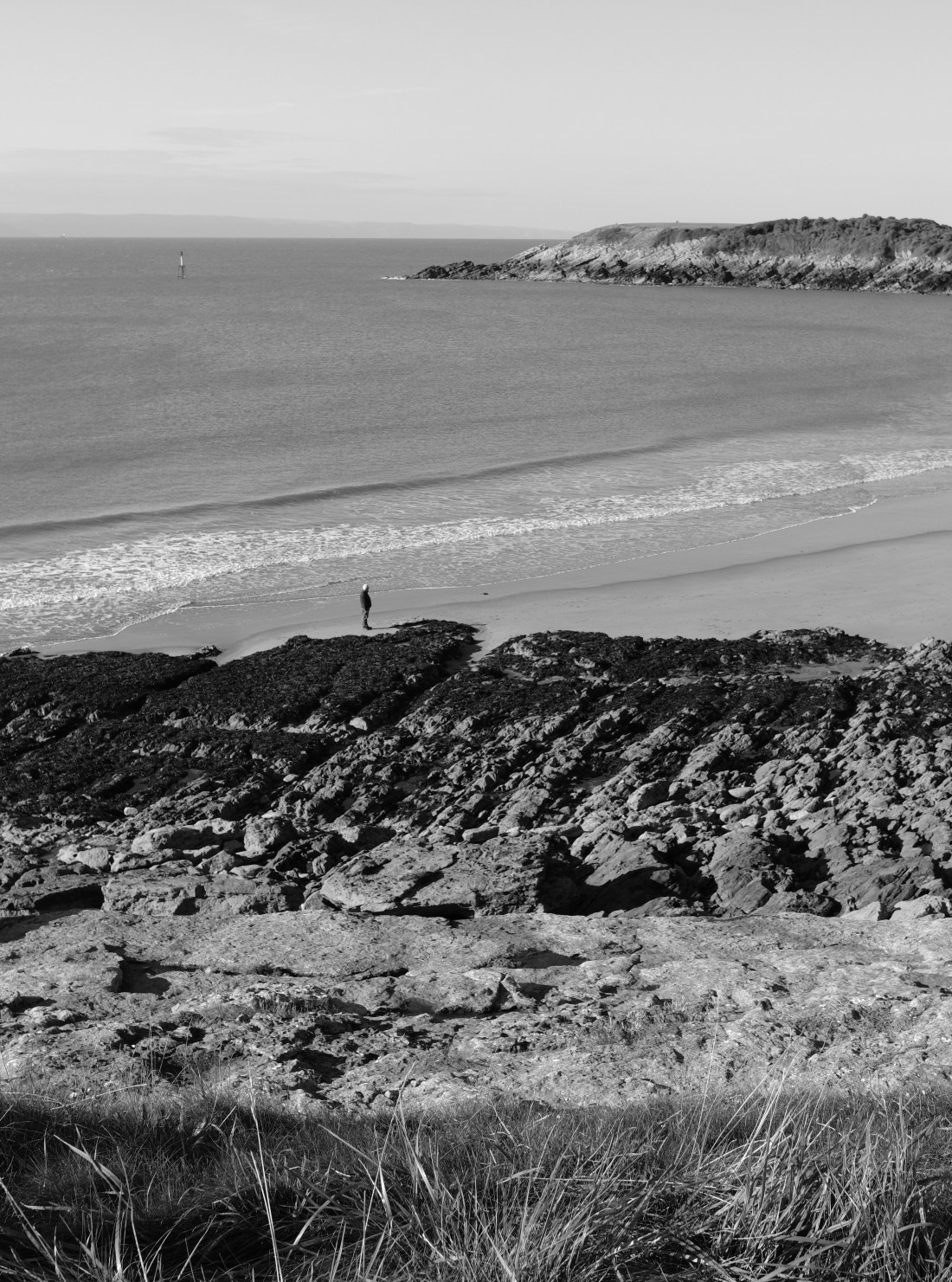
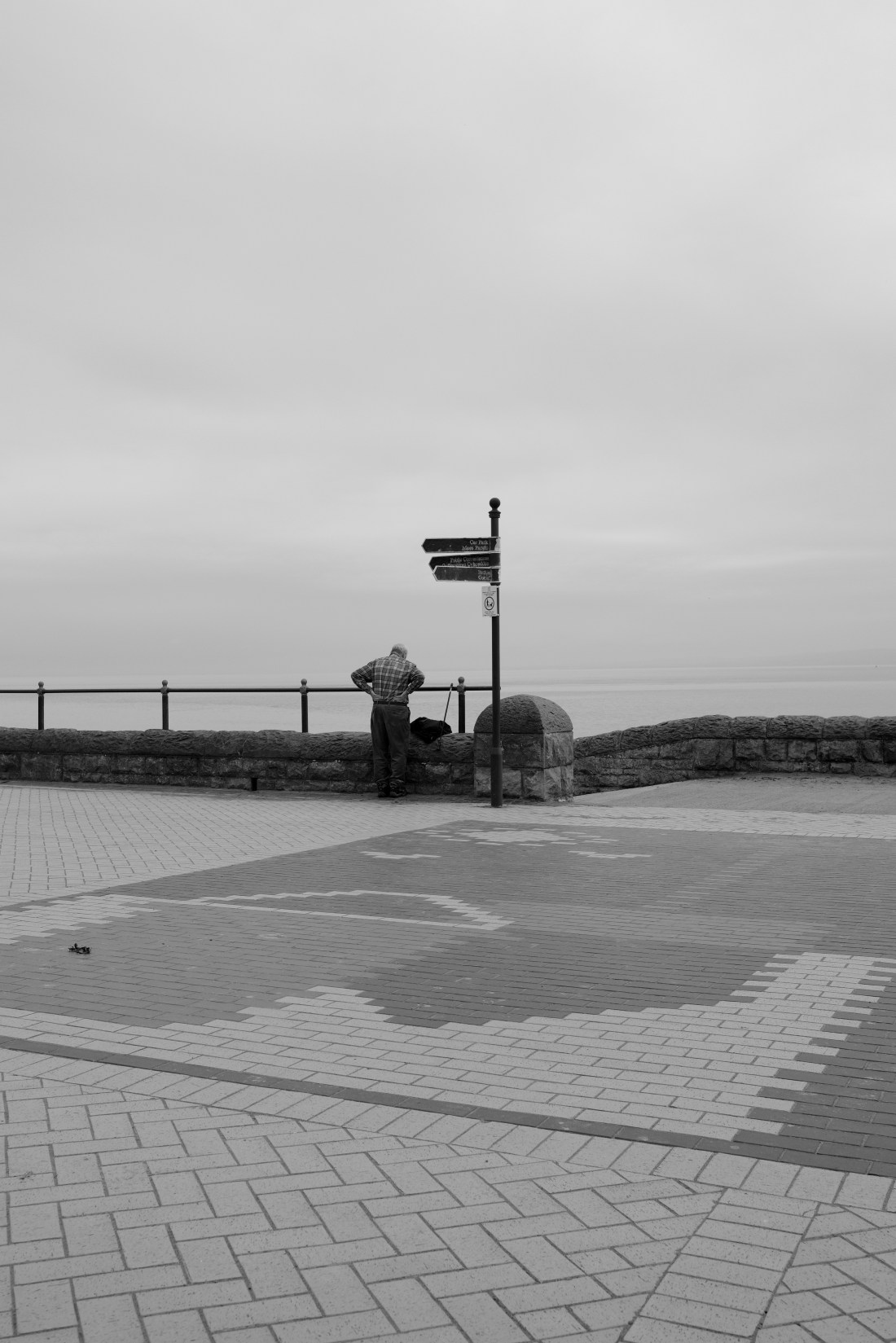
In retrospect, in my first shoot at Weston, I didn’t really know what I was looking for when I went. It was the same when I went to Barry, actually, but once I got this shot, I knew this is how I wanted my theme to continue:
I knew I wanted to focus on the elderly, but wasn’t sure in what aesthetic style. I tried out other styles in these shots:
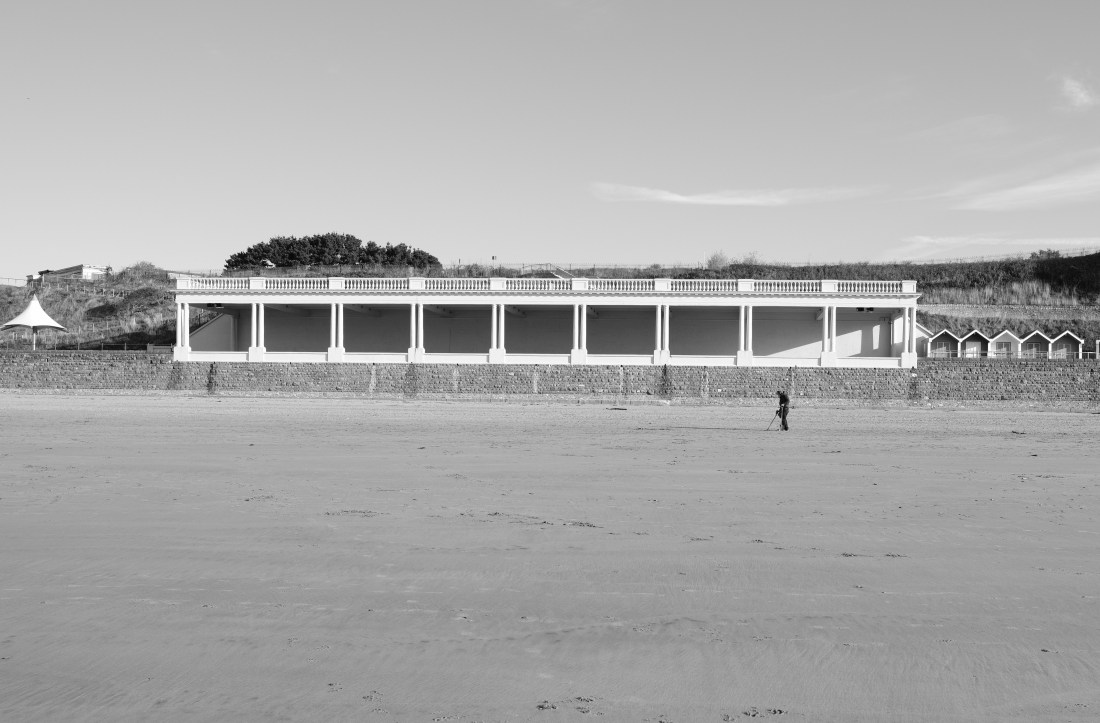
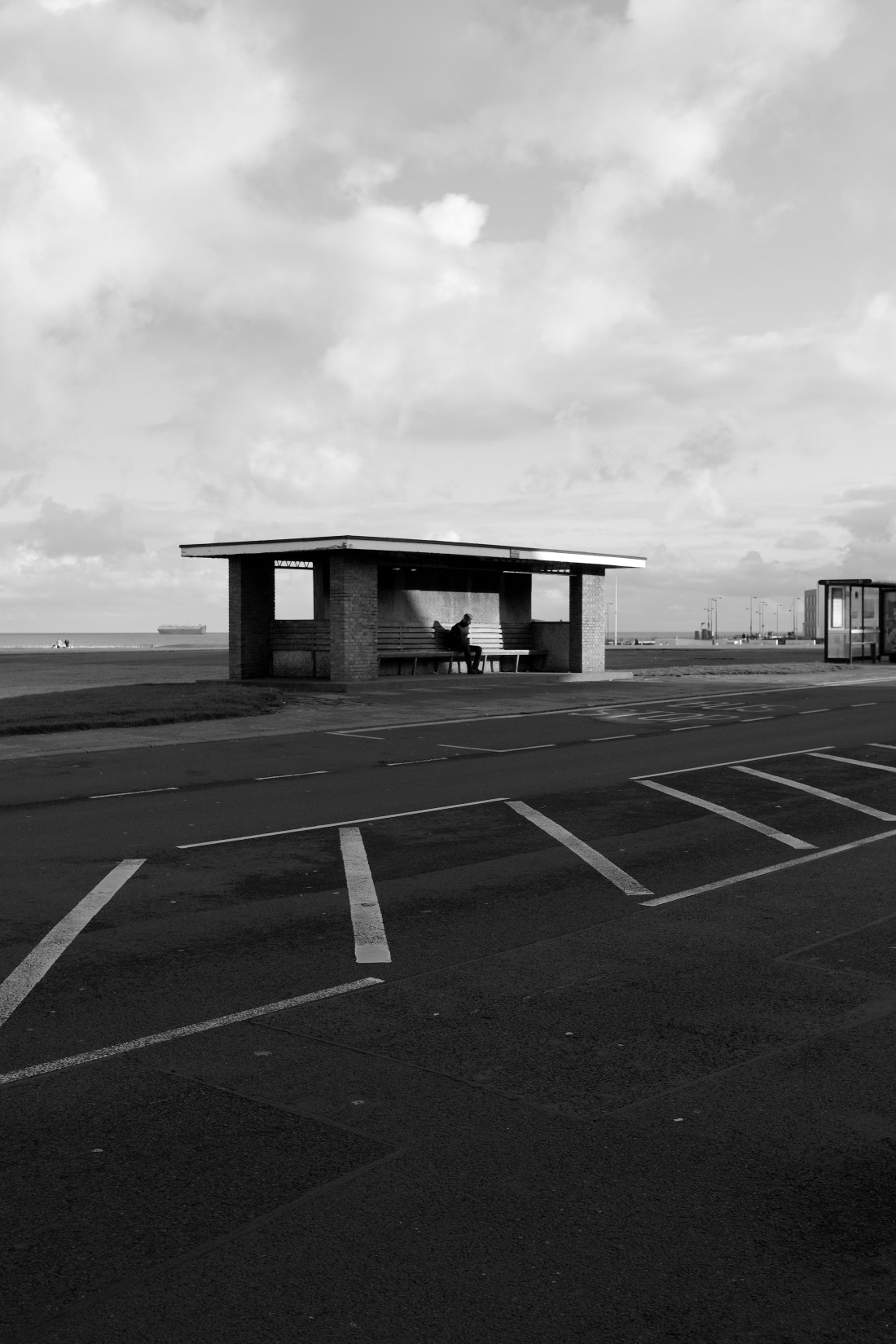
I didn’t find any of these street styles to be engaging enough. Because this is a landscape module, and I wanted to explore how the elderly fit into the coastal landscape, the background of the image is very important. I couldn’t guarantee that the background of the image would be compelling if I was doing normal street photography. So, I decided to try a different approach. With the big image above, I decided to frame the landscape first, and then wait to see what or who entered the frame. I was lucky enough that this older gentleman wandered (very slowly) into the shot, and decided to stop, hang up his walking stick on the railings, and ponder at the ocean for a while. With the hands on his hips, and his head hung low, it encapsulated the feeling of helplessness that I had been able to describe with words, but not show visually, as of yet. This was around 5pm when people were going home and the night was starting to draw in, and so I knew then that I could go back to my hotel room, and get up when the sun was rising, as we all know that old people love getting up and out at the crack of dawn, and so I thought this would be a better time to photograph my chosen demographic.
Second Shoot at Barry
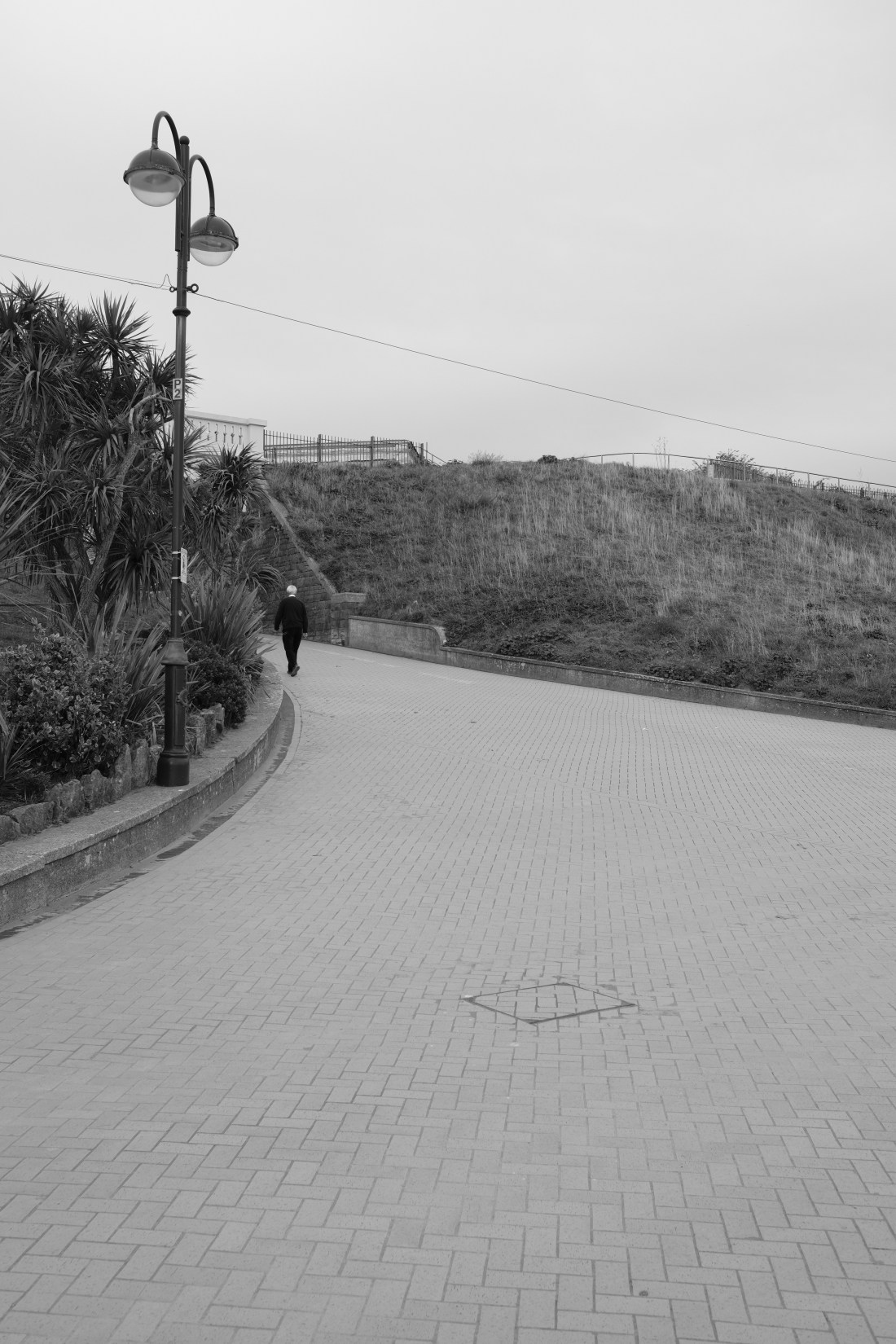
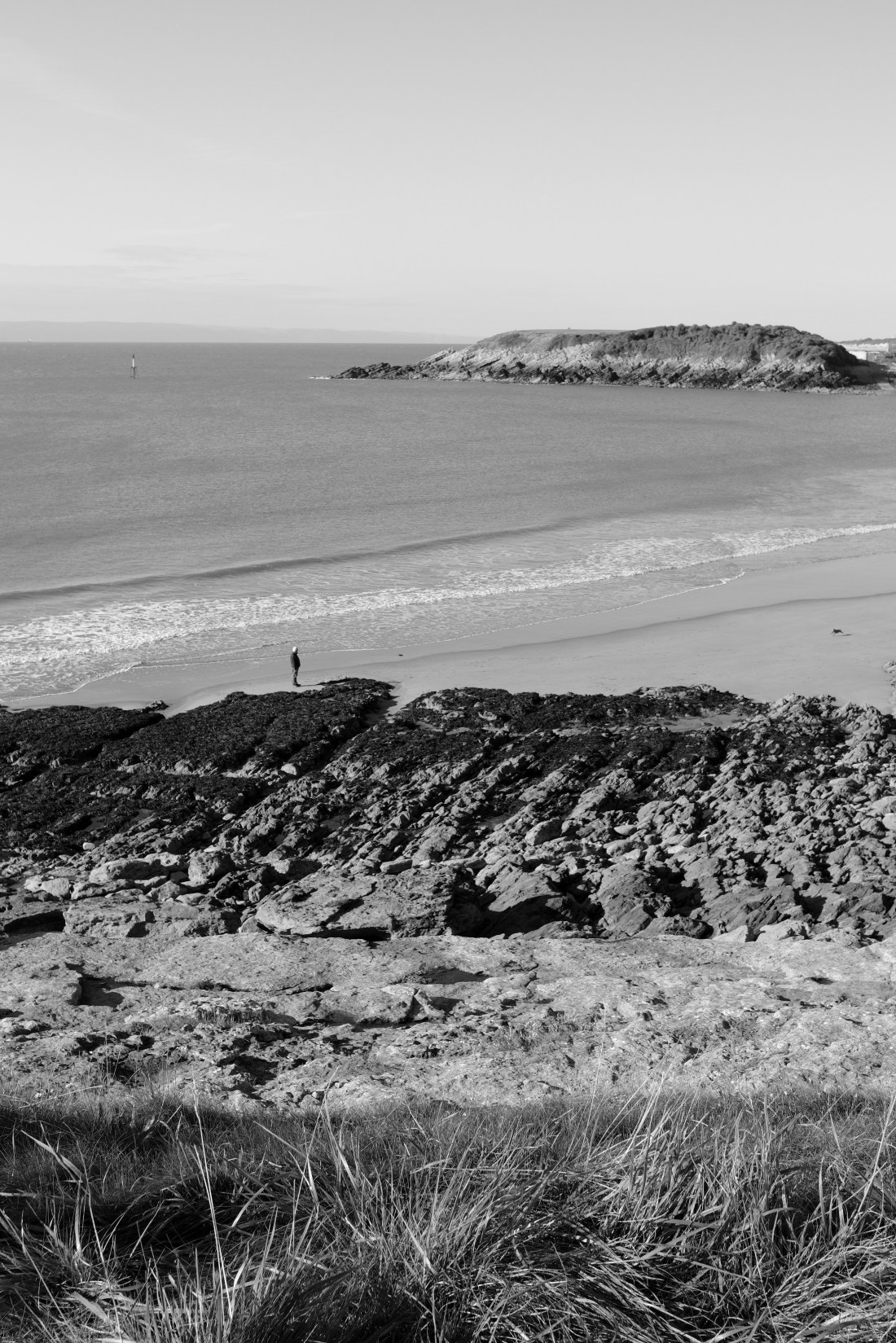
Now knowing exactly what I was looking for and the approach I was going to use, it made finding shots so much easier. Some shots that I thought I can use in my final edit are these:
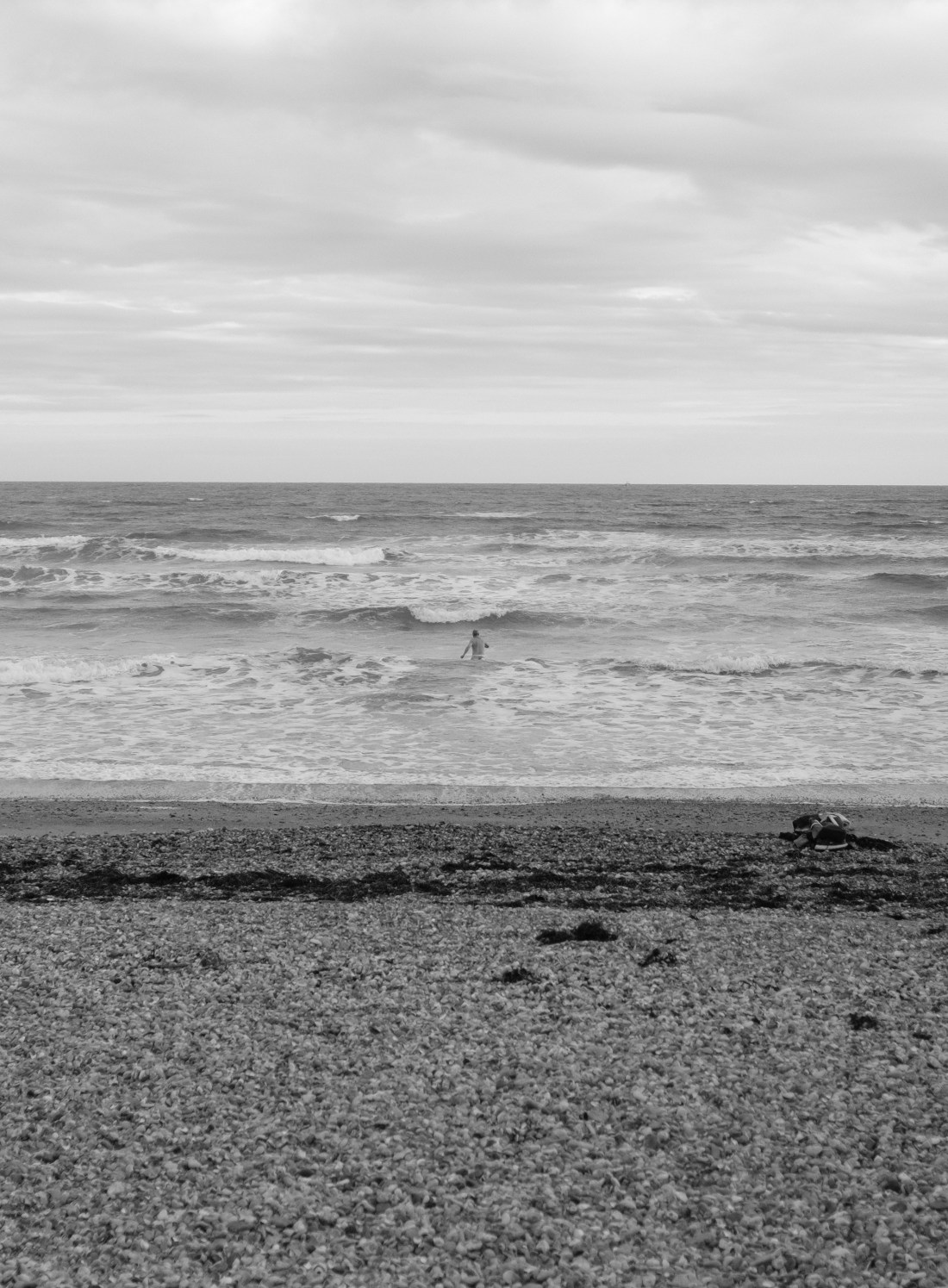
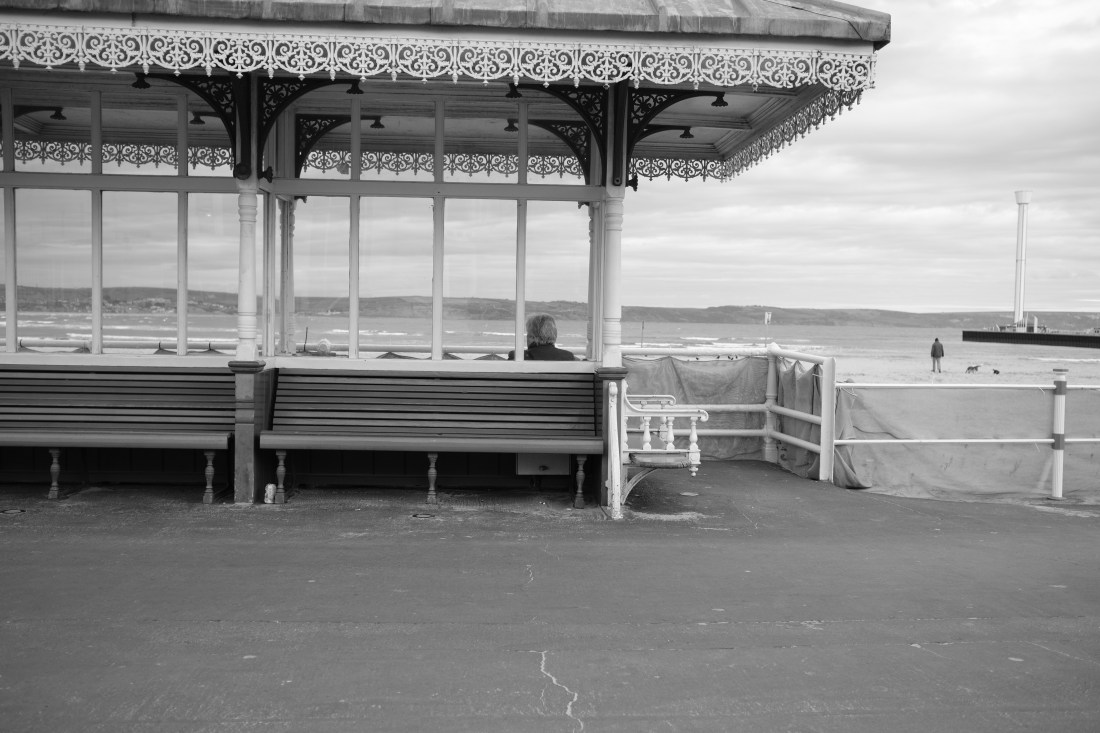
Although I had planned to wait around when I saw the right background frame, actually, the three images above I just stumbled upon. I happened to be in the right place at the right time. I think this happened because I was now just more aware of what I wanted to capture, and perhaps more shots like these were available before, I just didn’t notice them. At this point, I have also decided to keep their identities hidden, so taking the images from far away or from behind them. I think this adds to notion of being socially ‘lost’, and creates a sort of autonomy between the people I’m shooting. The reason I’m shooting them far away is also to put them into the context of where they have chosen to be, or where they may be stranded for mobility or financial reasons. I am trying to create a certain vastness, which I know from personal experience, is how the world can seem when suffering from chronic loneliness.
First Shoot at Weymouth
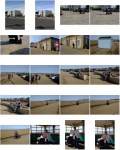
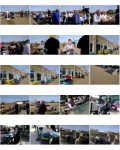
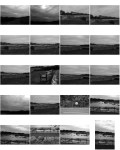
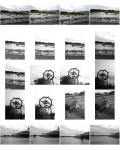
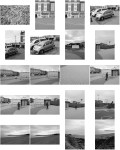
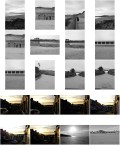
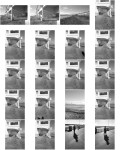
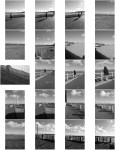
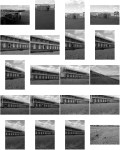
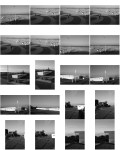
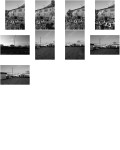
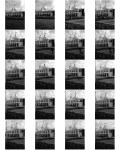
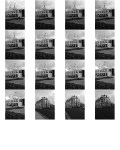
In a feedback session with my peers, it was suggested to me that I go to Weymouth and Bournemouth, as both of these places are well-known retirement places. It would have made sense to go to both in one trip because of their close proximity, but unfortunately I could only afford to go to one place, after my trip to Barry two weeks before. Anyways, I went to Weymouth and stayed the night again as it was about 4.5 hours on the train and I wanted to be up early to shoot. Here are my contact sheets from when I first arrived:
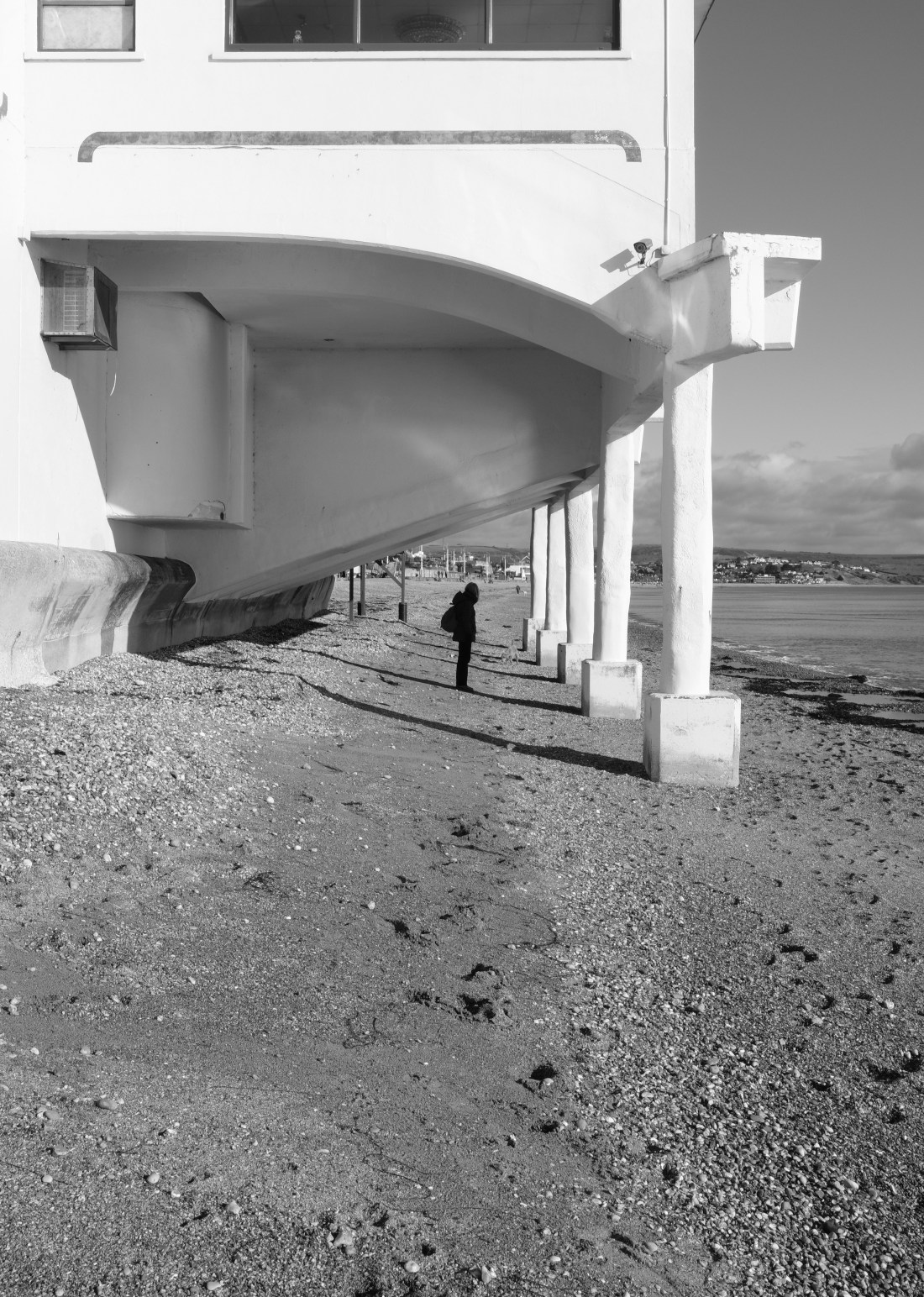
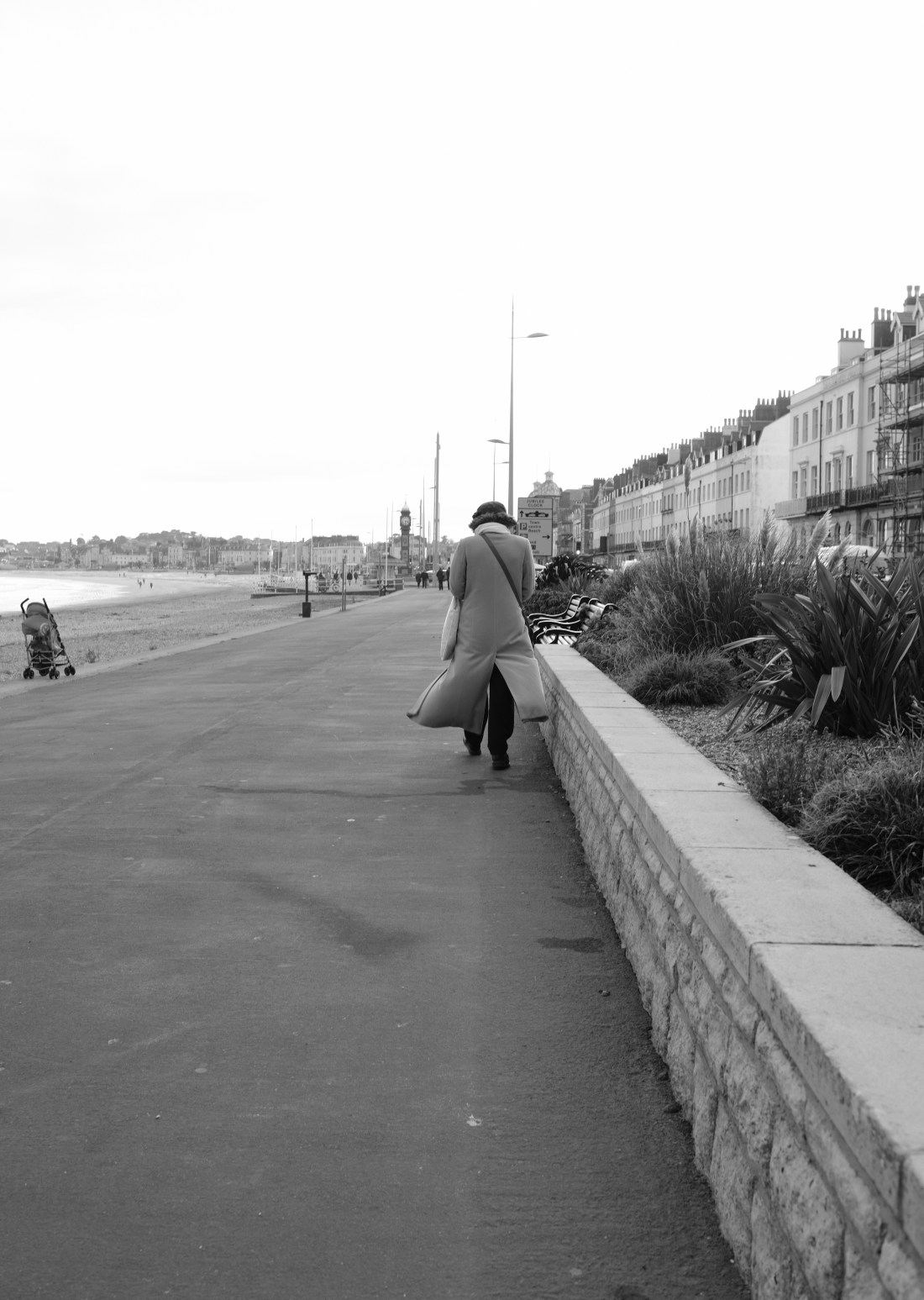
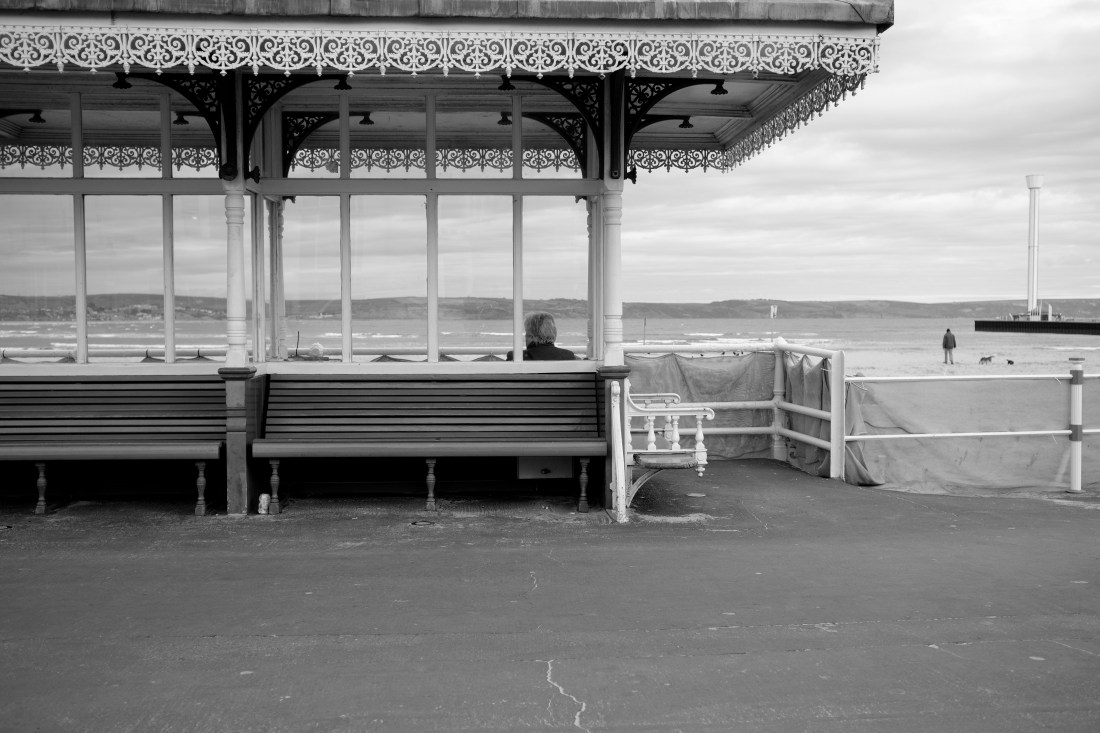
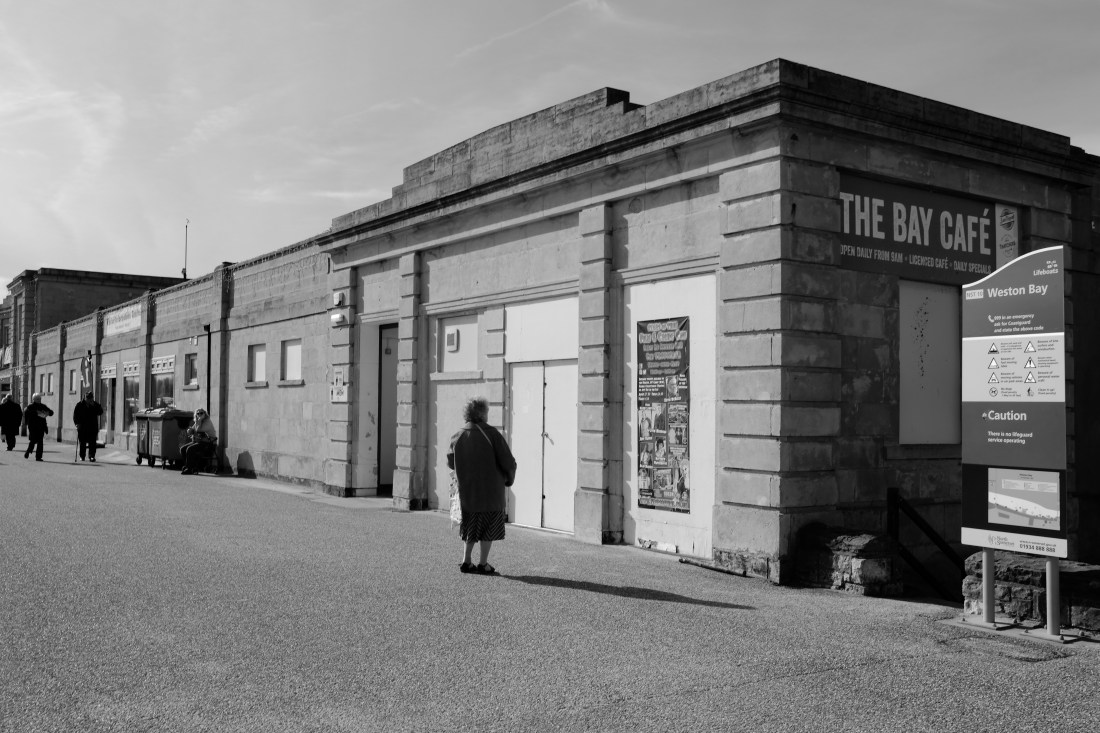
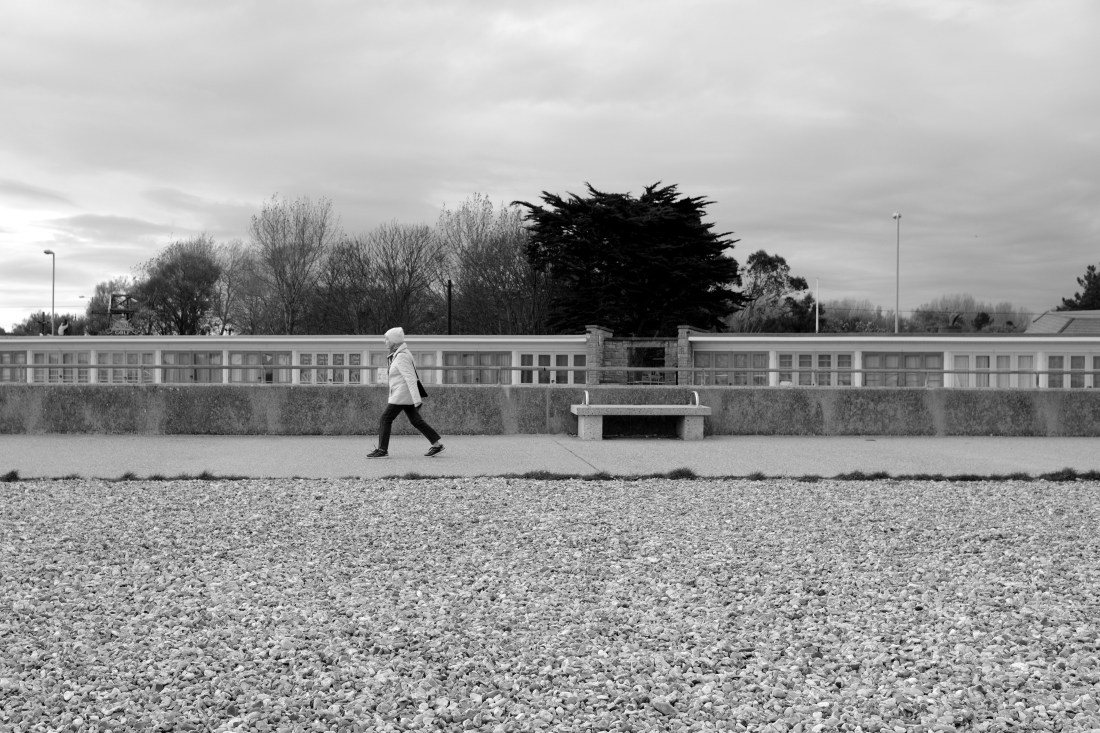
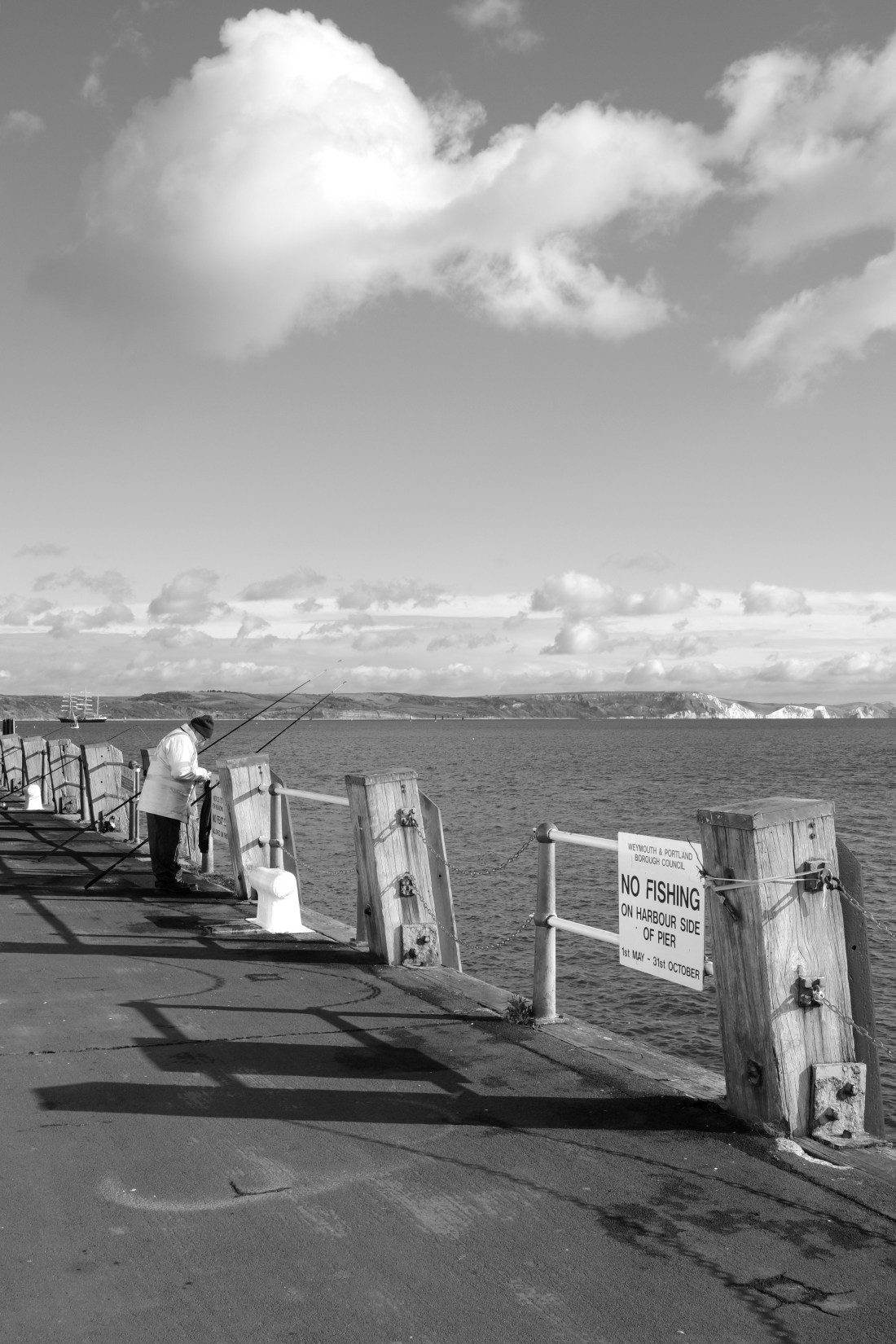
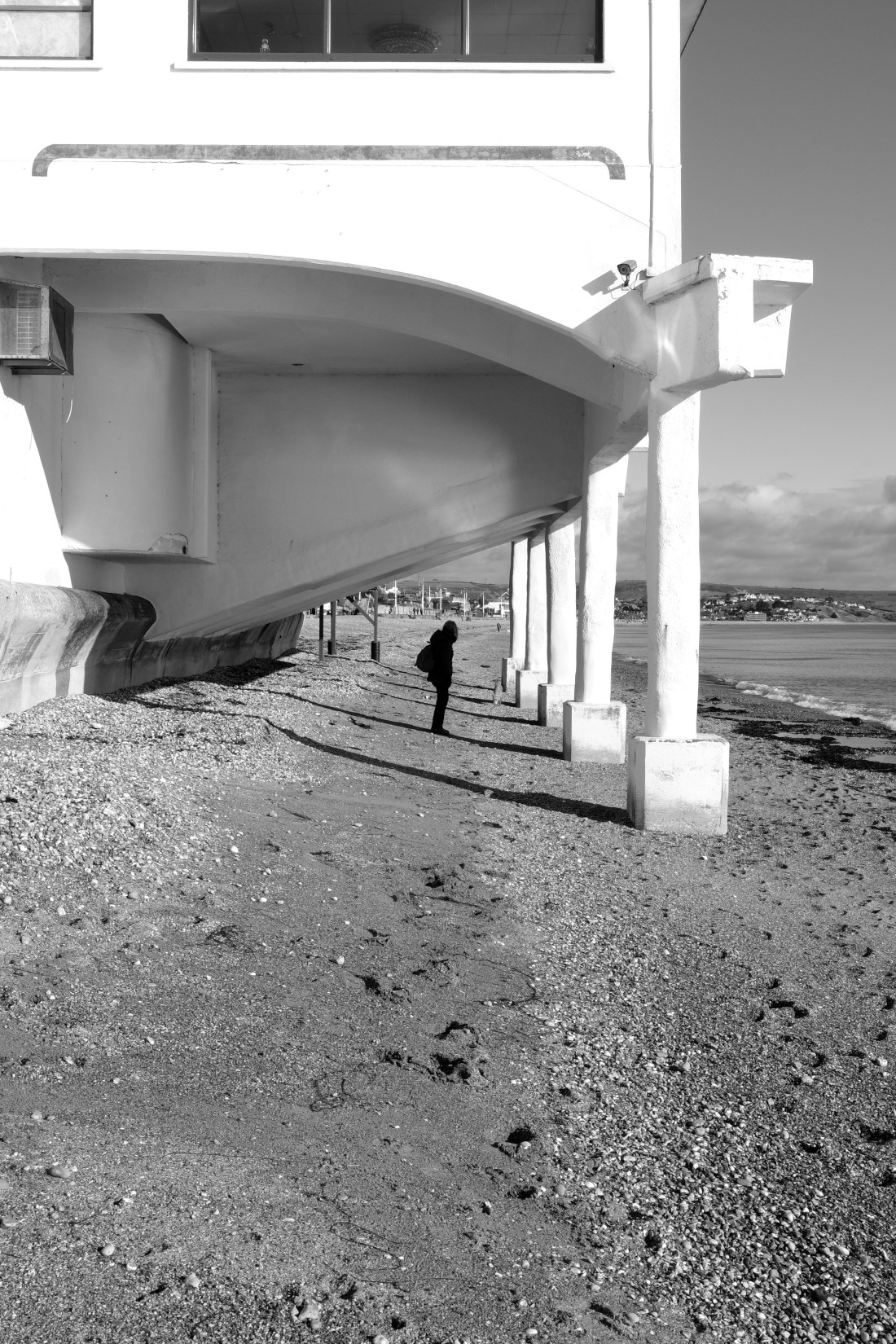
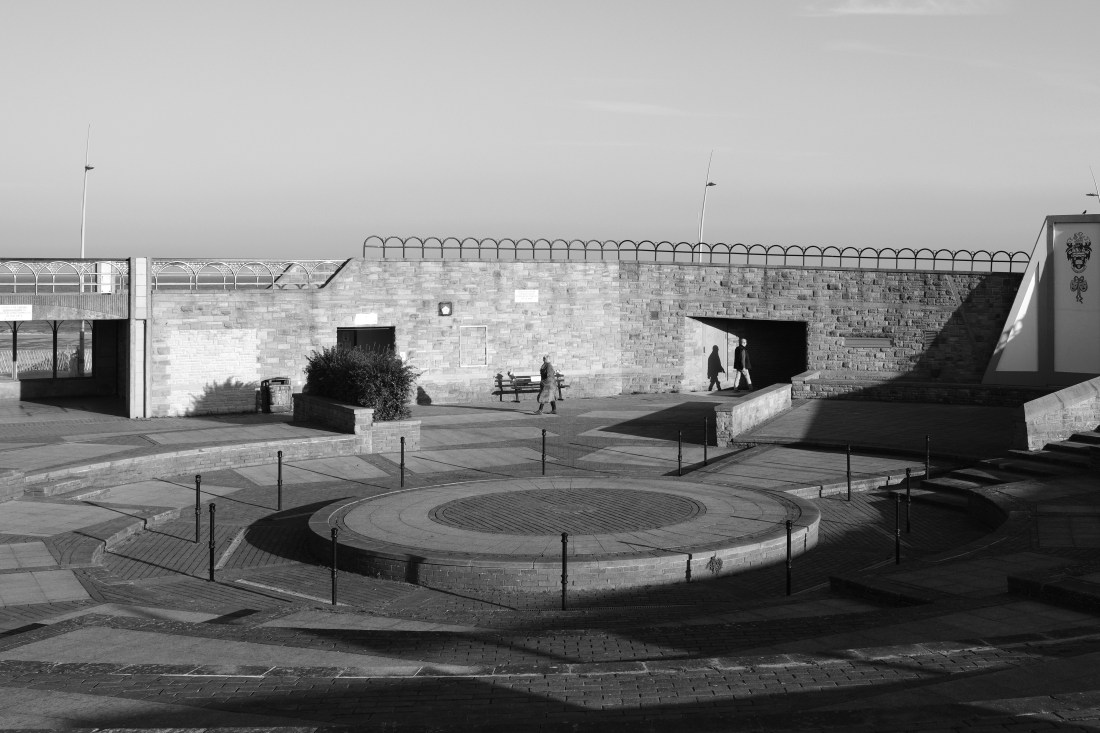
Here are some of the images I thought I could put in my edit:
I think one of the best things I have found about shooting at the coast is the abundance of different textures I can capture. The mix of sea and sky, course and fine sand, and then tarmac, stone and wood in pedestrianised areas, can allow for quite a dramatic image.
Second Shoot at Weymouth
Shoot on the North East Coast: Whitley Bay
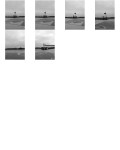
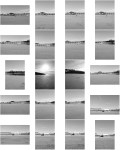
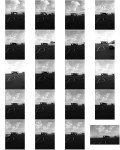
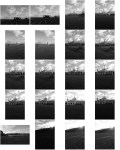
As the winter drew in, it seemed that the coastal towns became more and more desolate. I had an inkling that this would happen, and this is why I tried to start shooting the project as soon as I could. So, by the time I was able to go back home to Newcastle in late November and then at New Year, the coast was extremely bare. I made this trip to Whitley Bay, barely bumping into a single person. I think this may also be in part due to the North East coast being so vast, in comparison to some of the South West towns I’ve been to:
(The image on the right is zoomed in 4x more than the left)
In the North East, it is much more open and the beaches are much longer. In towns like Barry, the bays are small and enclosed, meaning that people tend to congregate here. In Newcastle, there is no real focal point for people to flock to. I think this is part of the reason why I found it more difficult to find subjects here.
On this first shoot, I found backgrounds which would have worked with my project, but I used the ‘lurking around and waiting for a subject’ technique but not a single person passed by. I decided that the next best time to go to the coast would be New Year’s Day, as it is a bit of a tradition to go and blow the cobwebs off at the coast after a big night’s drinking.
Second Shoot on North East Coast:
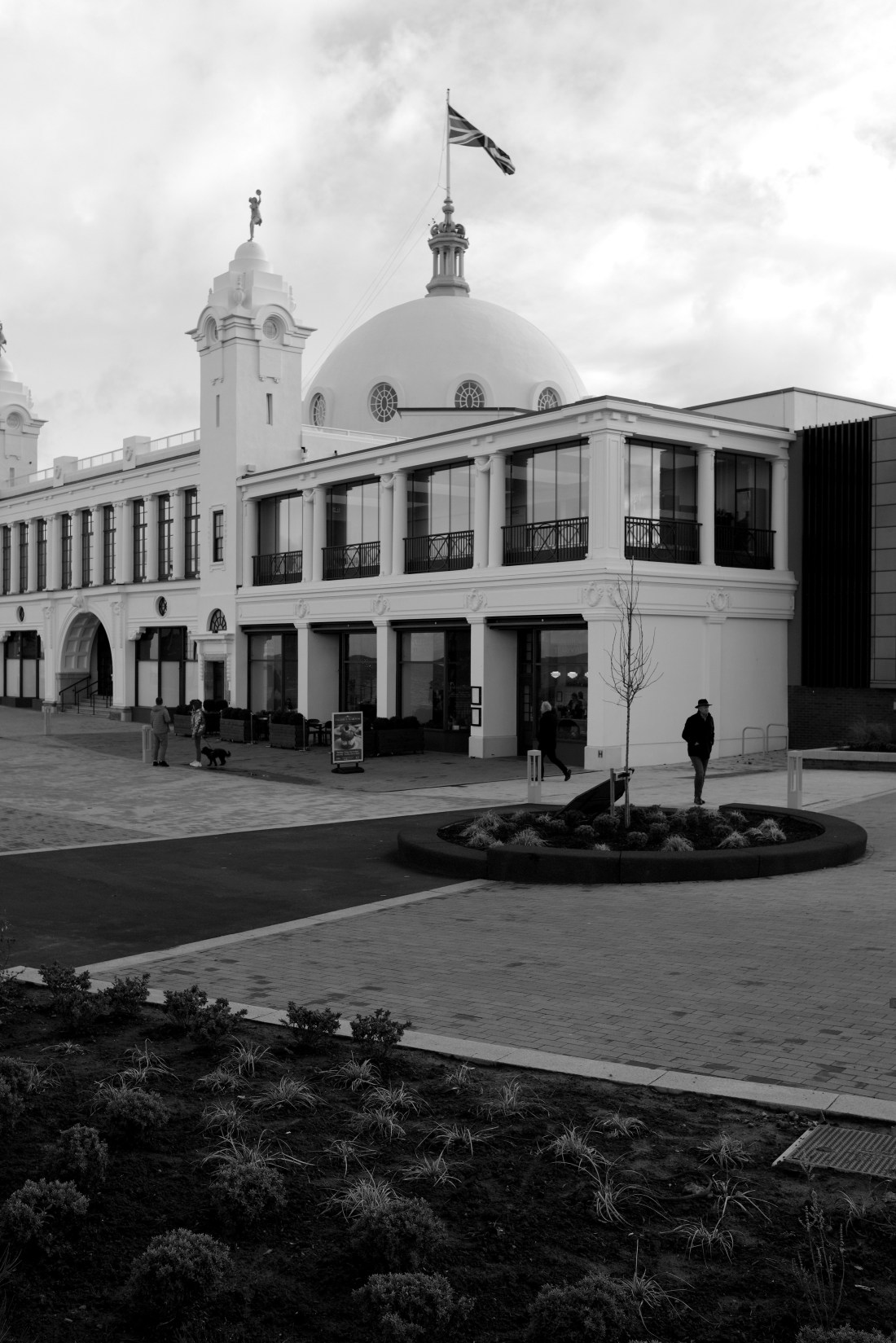
I went back to Whitley Bay here, but a different part of it, where the newly refurbished Spanish City has recently re-opened. Spanish City is the big, white domed building, “Erected as a smaller version of Blackpool’s Pleasure Beach, it opened in 1910 as a concert hall, restaurant, roof garden and tearoom. A ballroom was added in 1920 and later a permanent funfair.” (According to its Wikipedia page). It is an iconic British seaside-type building, and so would fit in with my project. It also meant it would be a hub for people passing through, and I would be more likely to find the subjects I was looking for.
Picking a Final Image
They say that you can’t edit your own work, and that your peers are the best deciders of your most successful work. My favourite image that I took was my very first one:
But my peers insisted that this was my best image:
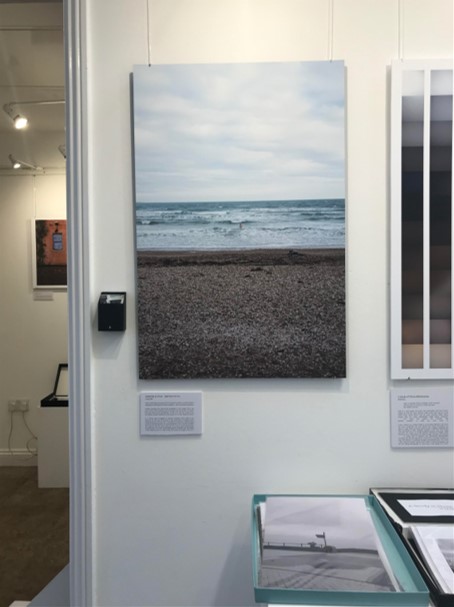
As I mentioned earlier, I shot in black and white because I wanted to be able see through my viewfinder, what my images were going to look like. It’s hard to imagine the move to black and white. But, because I shot on RAW and I don’t usually, I didn’t realise that when I opened the RAW document in Photoshop it would appear in its original state: in colour, which you can see above. I did agree with my class that this image looks best in colour, and so I printed the exhibition print like this.
When I was considering my edit of 8 photographs, I had to choose between keeping them in back and white or turning them back to colour. It seemed to me that, when I changed them back to colour, it only actually worked with the one photograph above. The subdued colours and cold feeling it emitted was in line with the miserable subject I was trying to address. This is how the others came out, quite uneasy to look at in my opinion:
I also really just think the colour images work well together for a series. I want this series to be quite formal as it is addressing a sensitive subject, and the colour images don’t portray a sombre feeling.
The Hanging Process for Exhibition
This slideshow requires JavaScript.
As you can see, the hanging and curating process was a group effort, and everyone chipped in to help each other.
Final Prints (excluding exhibition print)
Final Evaluation
The title that I chose for my project, ‘Austerity is Over – But Not For Us’ is a bit of a play on what Theresa May recently declared as the end of an 8 year austerity program. In October of last year, the Prime Minister released a statement telling us that public spending will go up. She tells public that ‘the end is in sight’ and there are ‘better days ahead’, but for the elderly, they are not necessarily able to wait around for these changes to come into force. They have suffered the consequences of austerity, with some people not being able to see what it was all for.
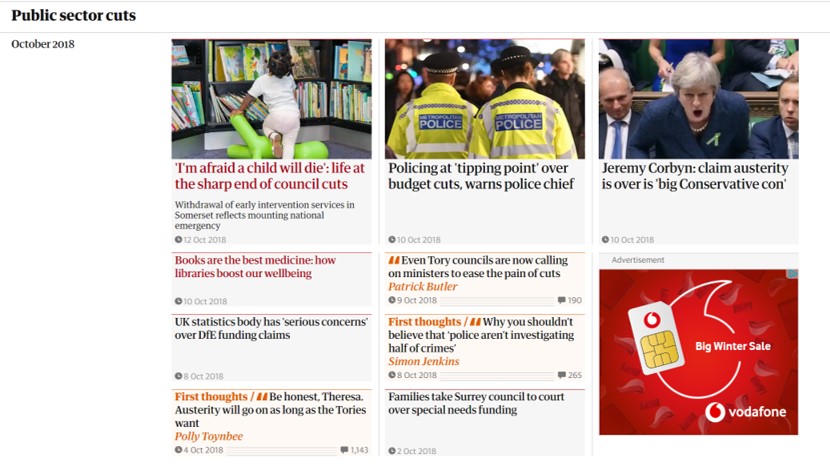
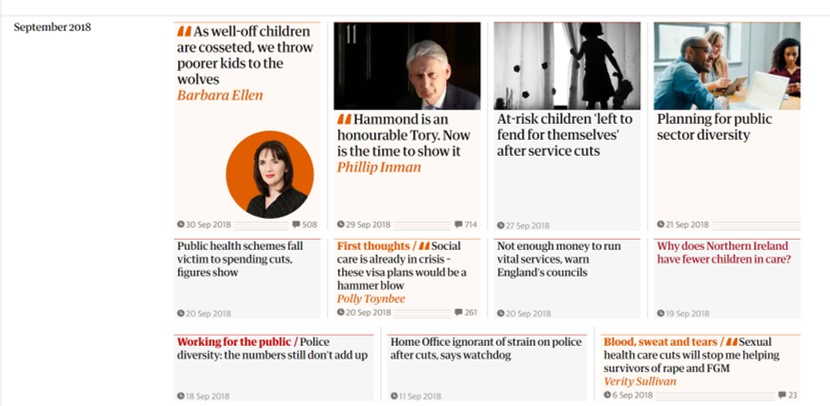
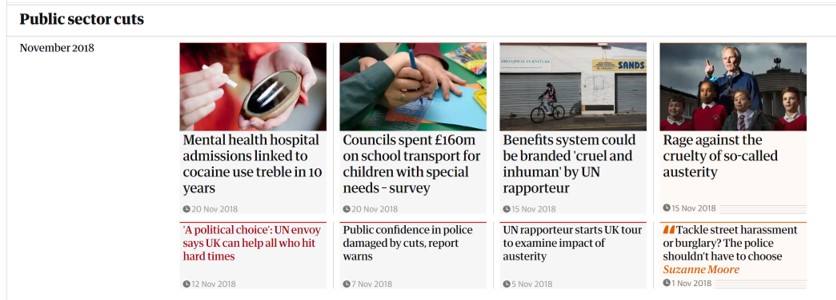
A quick search on The Guardian’s website for articles on ‘public sector cuts’ brings up 4,579 results. They report on all generations, but social care is a huge concern.
Just a browse through these is quite depressing. What I have tried to capture in my images is the social isolation caused by Tory austerity. Older people are continuing to live alone far past their ability to look after themselves, because the prices of private care homes are simply impossible to manage for most. Even though most of my images were taking in the South West, it was interesting to see how the North East coastline looks during these dreary months, because the biggest cuts have been made in the North of England, and I think it was quite evident.
I have also tried to capture the idea of buying into dreams that perhaps have not lived up to their expectations, like retiring to a quaint seaside town. Because my project has been carried out during the winter months, I have seen a side to ‘the dream’ that perhaps people don’t consider when they decide to spend their final years here. The bitter cold, and the abandoned seasonal amusements. But that’s exactly what seaside towns are – seasonal. And during these months, there is an eerie sense of isolation. As if the young and middle aged people have left for another year, and the elderly remain waiting for another summer.
This is what I wrote for my statement that would hang under my exhibition print:
‘Austerity Is Over – But Not For Us’
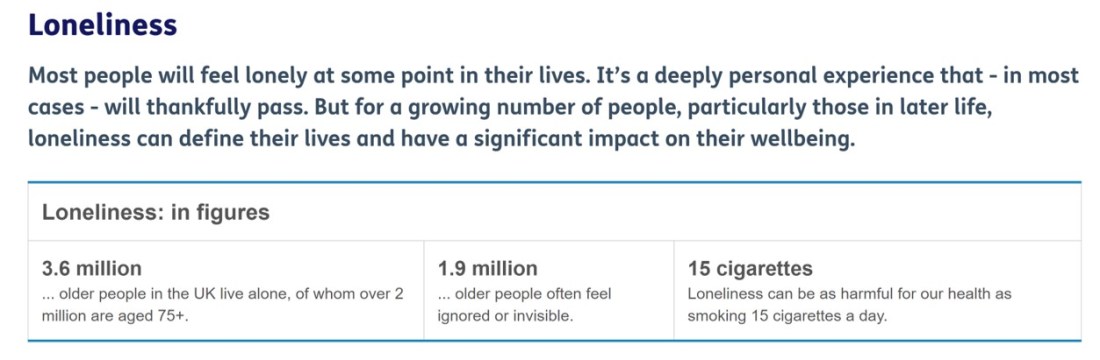
With 3.6 million elderly people in the UK living alone, and almost 2 million of them admitting to suffering with chronic loneliness – this is an isolation epidemic.
Modern medicine has allowed the population to live longer, but in the past 8 years, under austerity, cuts in services such as the loss of council-led care homes and cancellations of the over 65’s bus passes have left elderly people stranded in their homes or in their dead-end towns.
In a society which struggles to connect, loneliness truly could be the death of us. The rate of increase in life expectancy in England nearly halved between 2010 and 2017, according to research by epidemiology professor Michael Marmot. He commented that it was “entirely possible” that austerity was the cause, and said: “If we don’t spend appropriately on social care, if we don’t spend appropriately on health care, the quality of life will get worse for older people and maybe the length of life, too.”
In hindsight, I don’t think this makes much sense and I could have worded it a lot better. I was trying to link the two themes of elderly isolation and Tory austerity but didn’t do it in an intelligent way. I think I have tried to summarise it better earlier in this evaluation.
To add, I understand the brief required us to print 8″x10″ prints, but I printed mine in A4. This is because I had originally cropped the images as 8″x12″, as these were the dimensions of the uncropped, RAW images. For me, 8″x10″ is too narrow of a crop. Size A4 is very close to 8″x12″, measuring at 8.27″ x 11.69″. I chose this because it is a more standard print size in terms of buying frames, print sleeves and portfolio boxes.









 PJD year 3